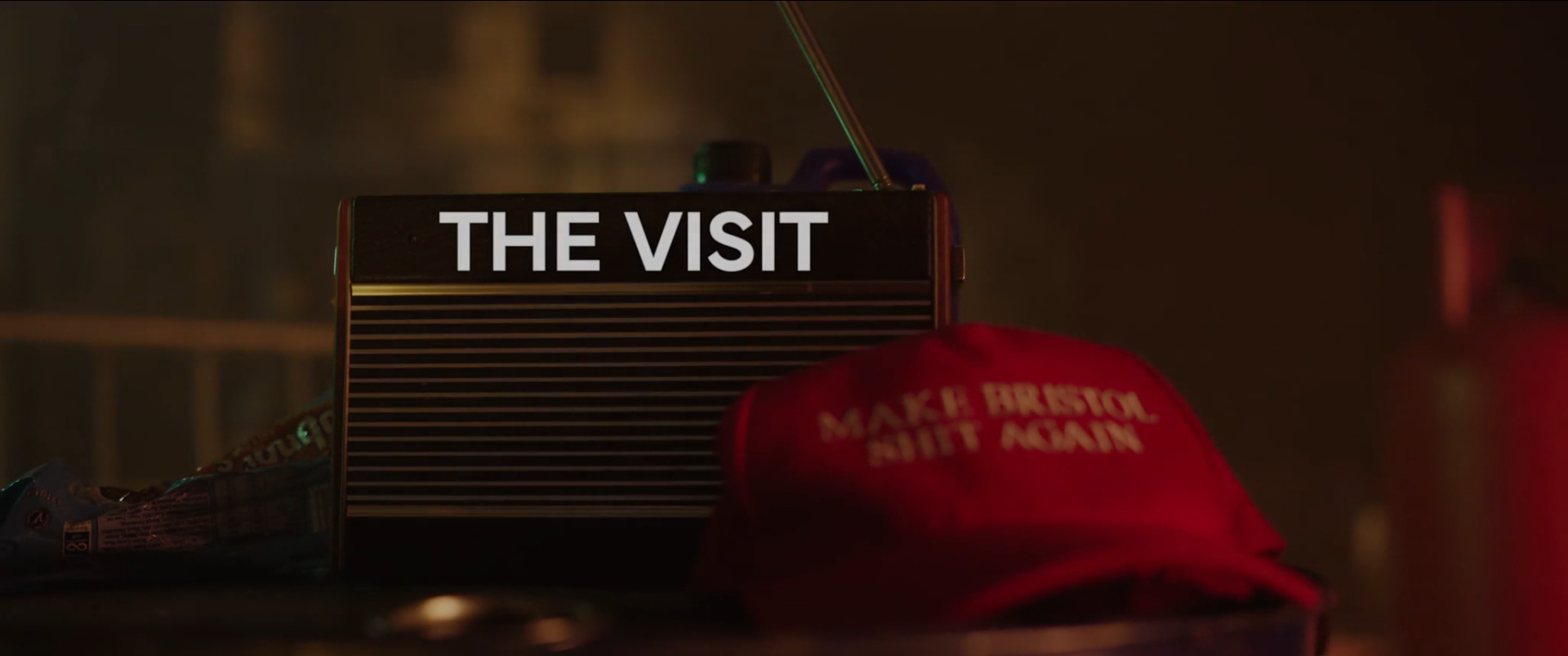
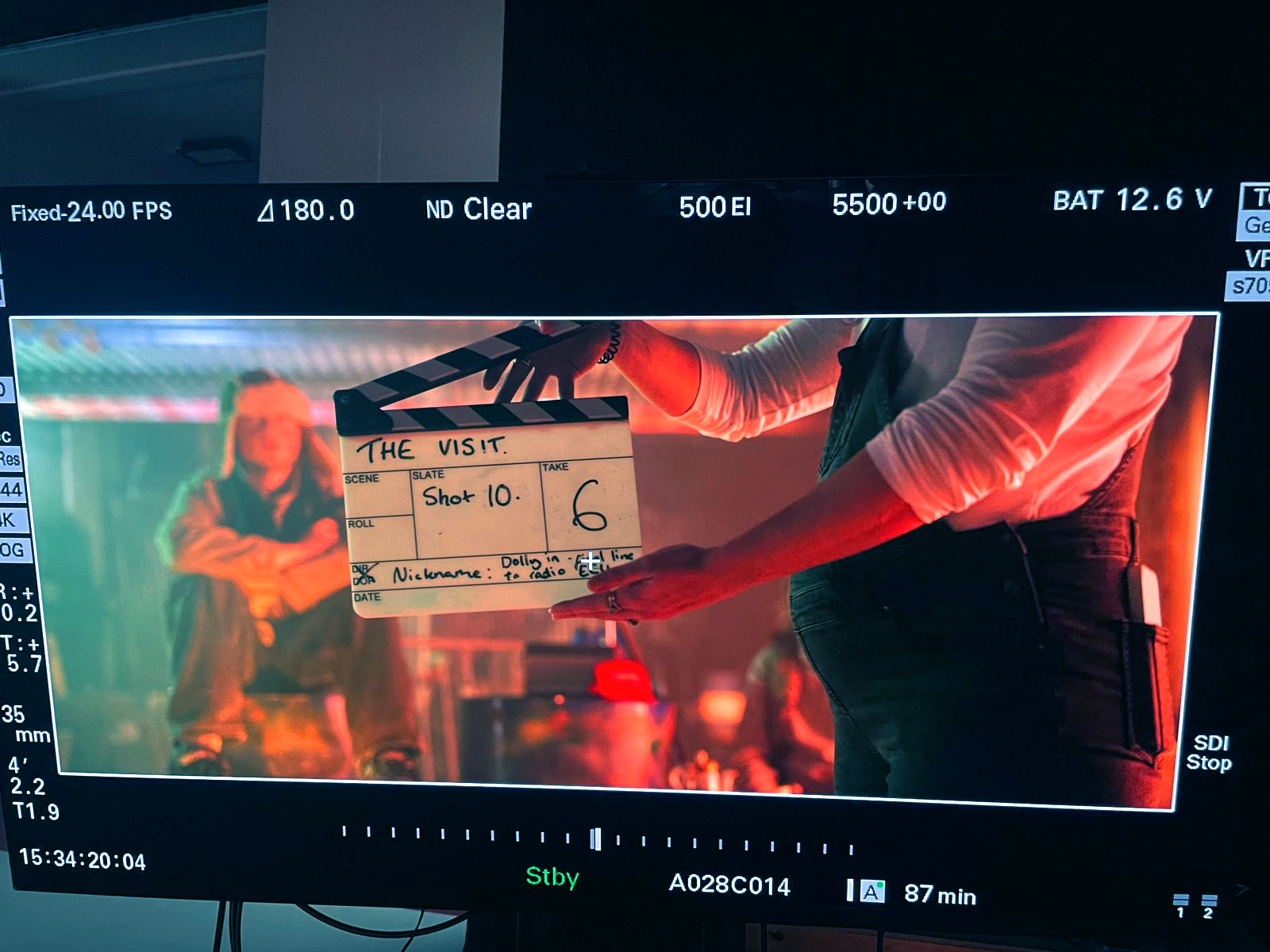
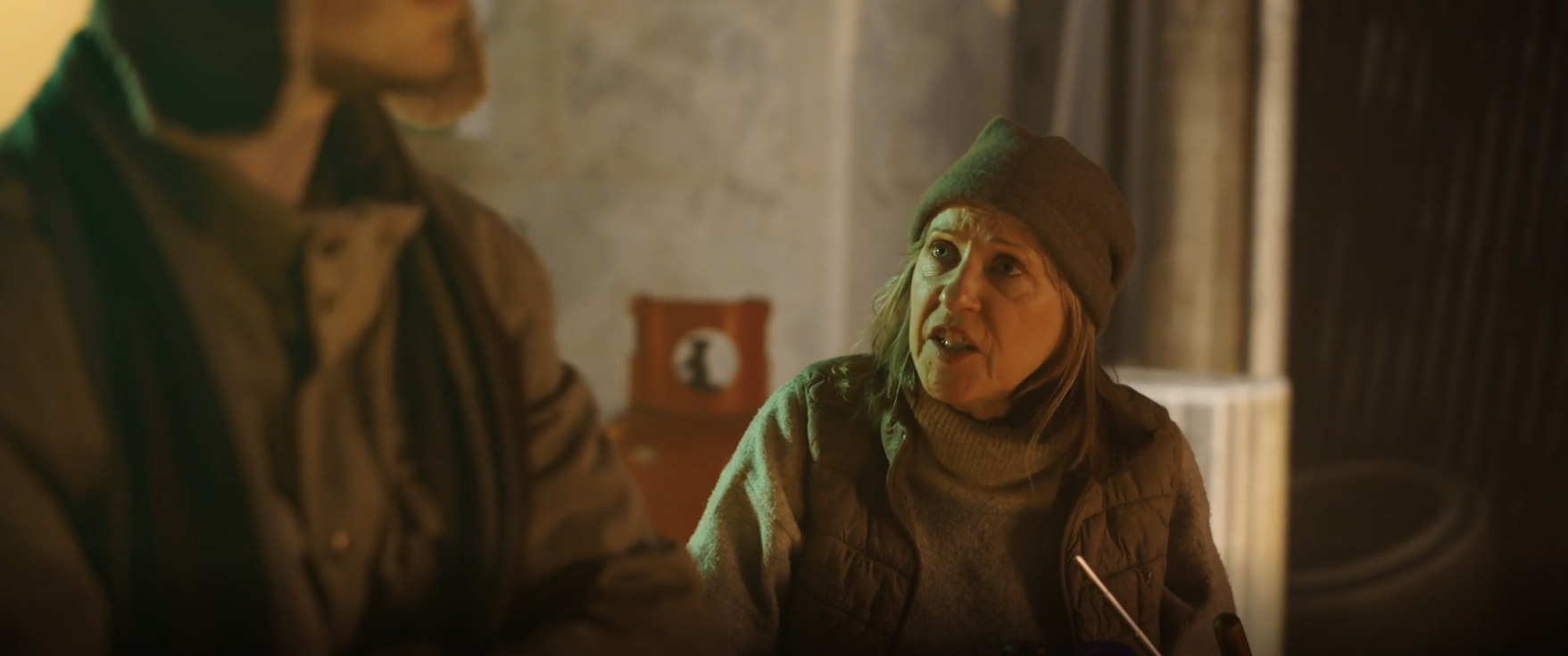
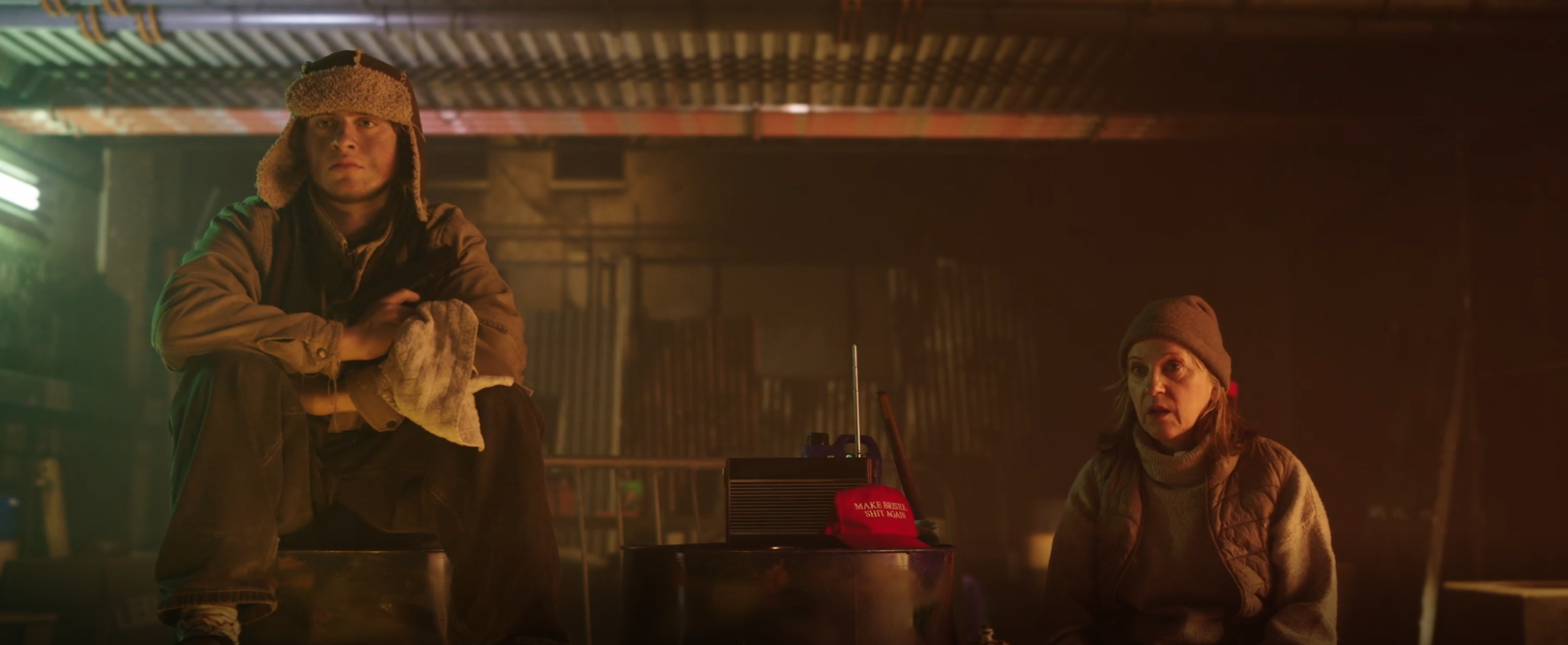
The Visit was developed as part of the Virtual Production Skills Bootcamp led by the University of Bristol.
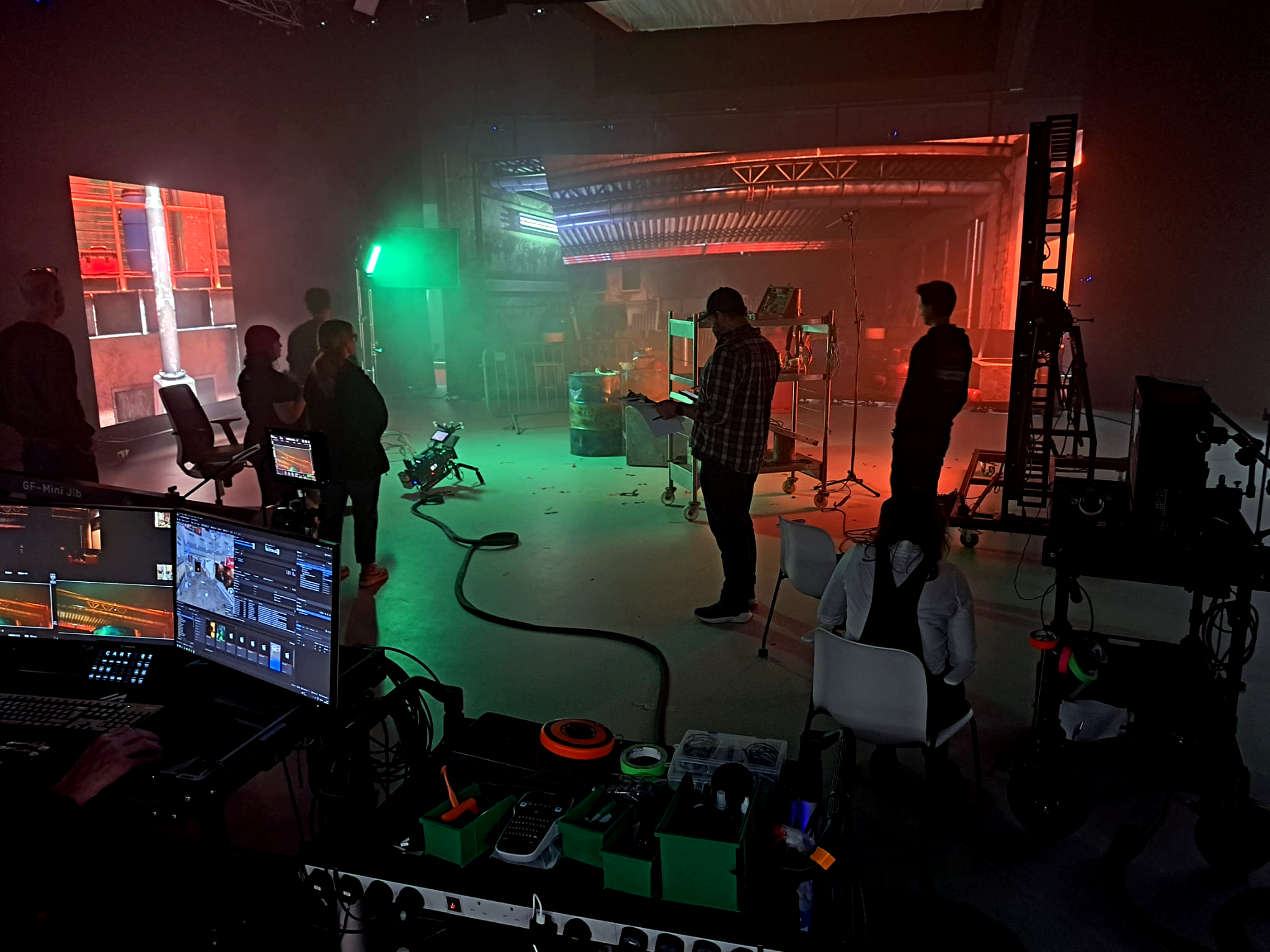
The project explored how real-time game engines and LED volume stages can transform traditional screen production workflows by merging physical and digital environments on set.
The creative challenge was to understand how Unreal Engine–driven virtual environments behave when captured through a tracked camera on an LED volume. Unlike traditional green screen workflows, virtual production requires environments to be built, lit, and rendered in real time so that perspective and lighting respond naturally to camera movement.
#vpsupervisor #virtualproduction #renderingvp #unrealengine #LEDvolume #3Dshoot #venice2
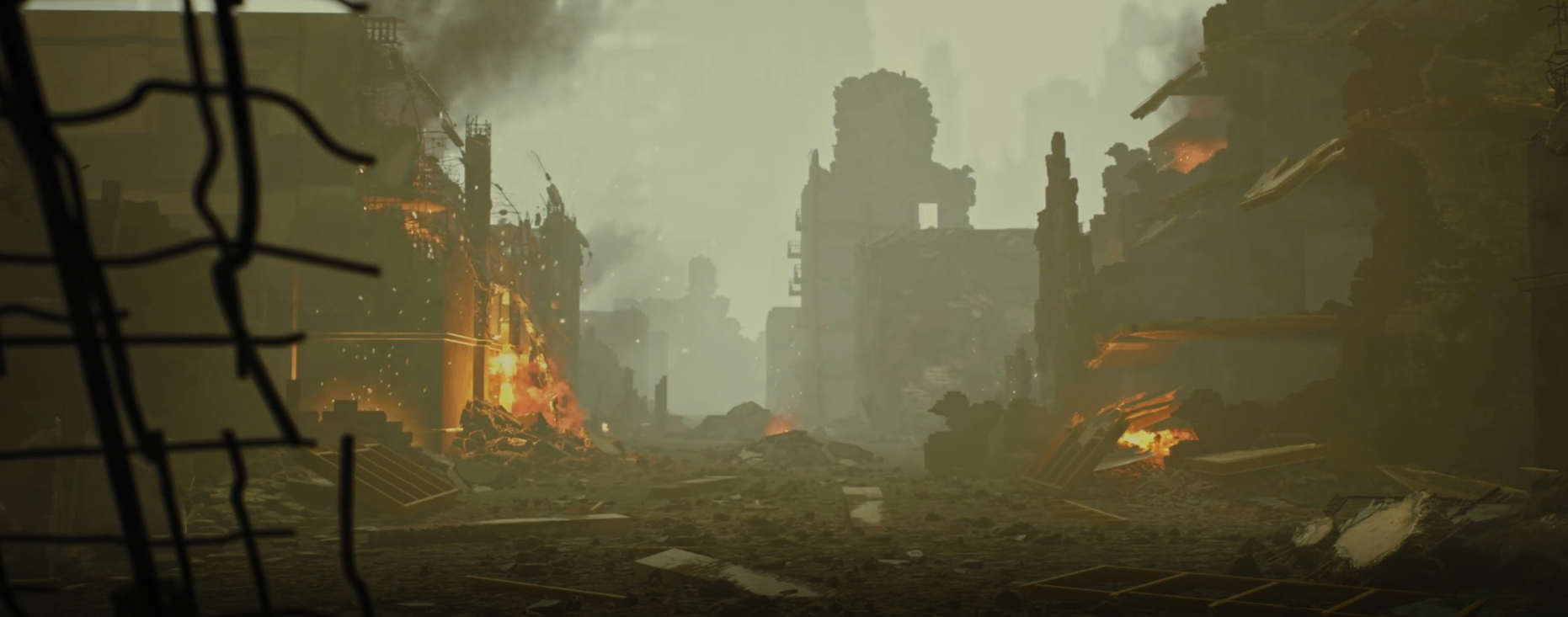
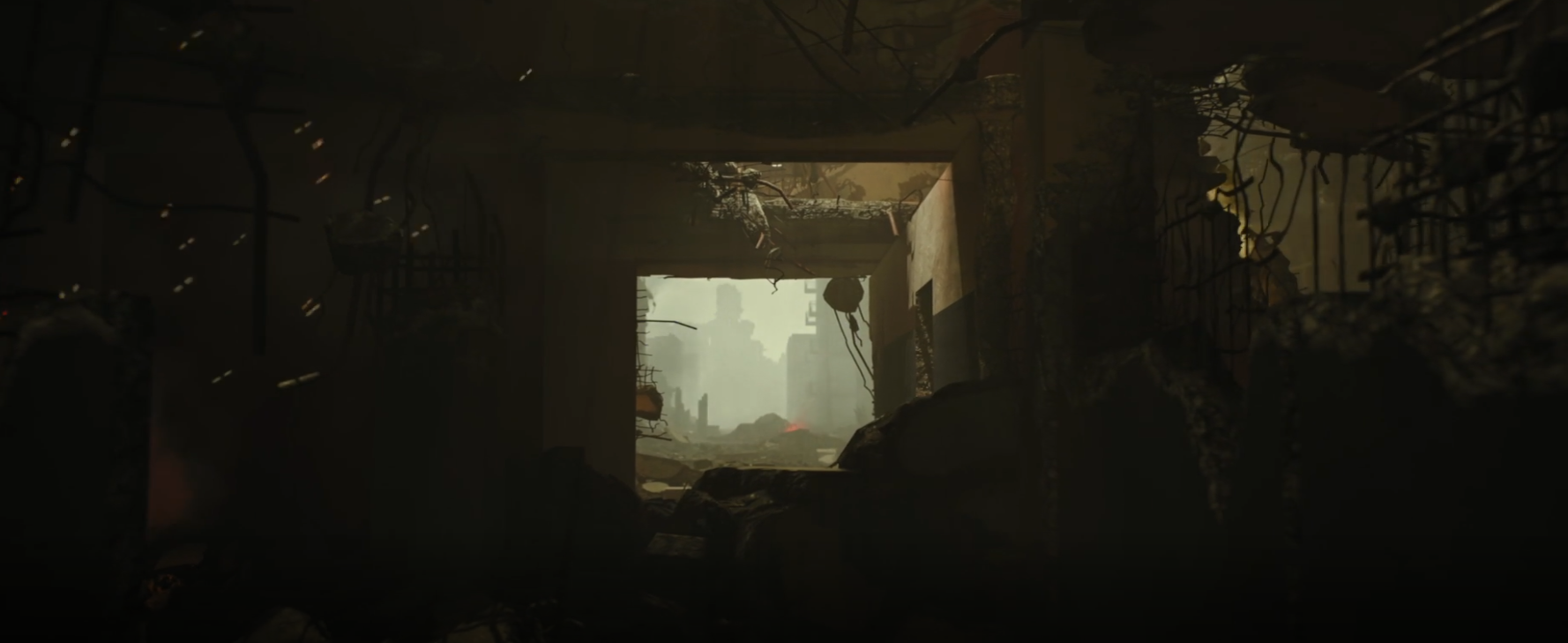
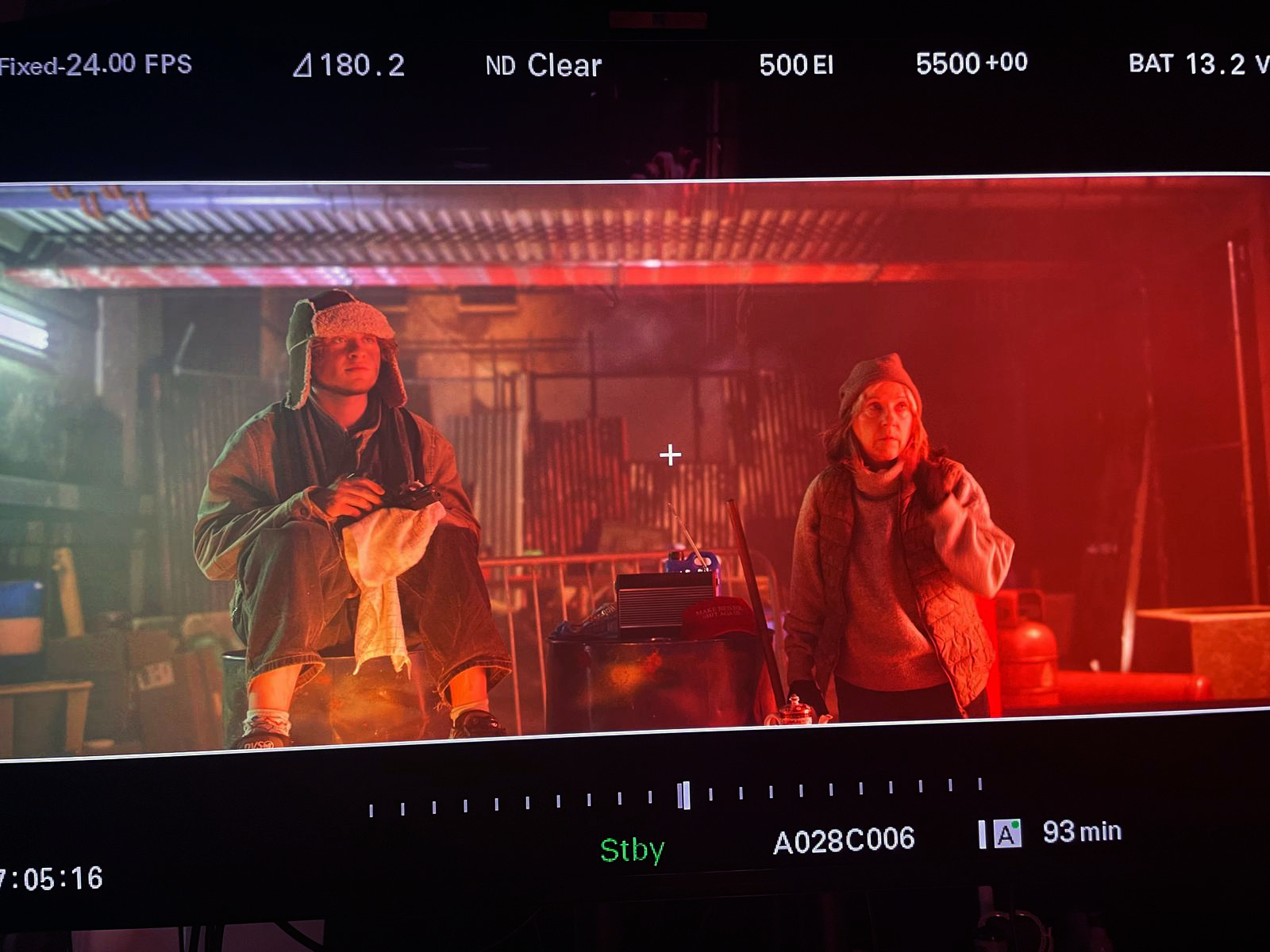
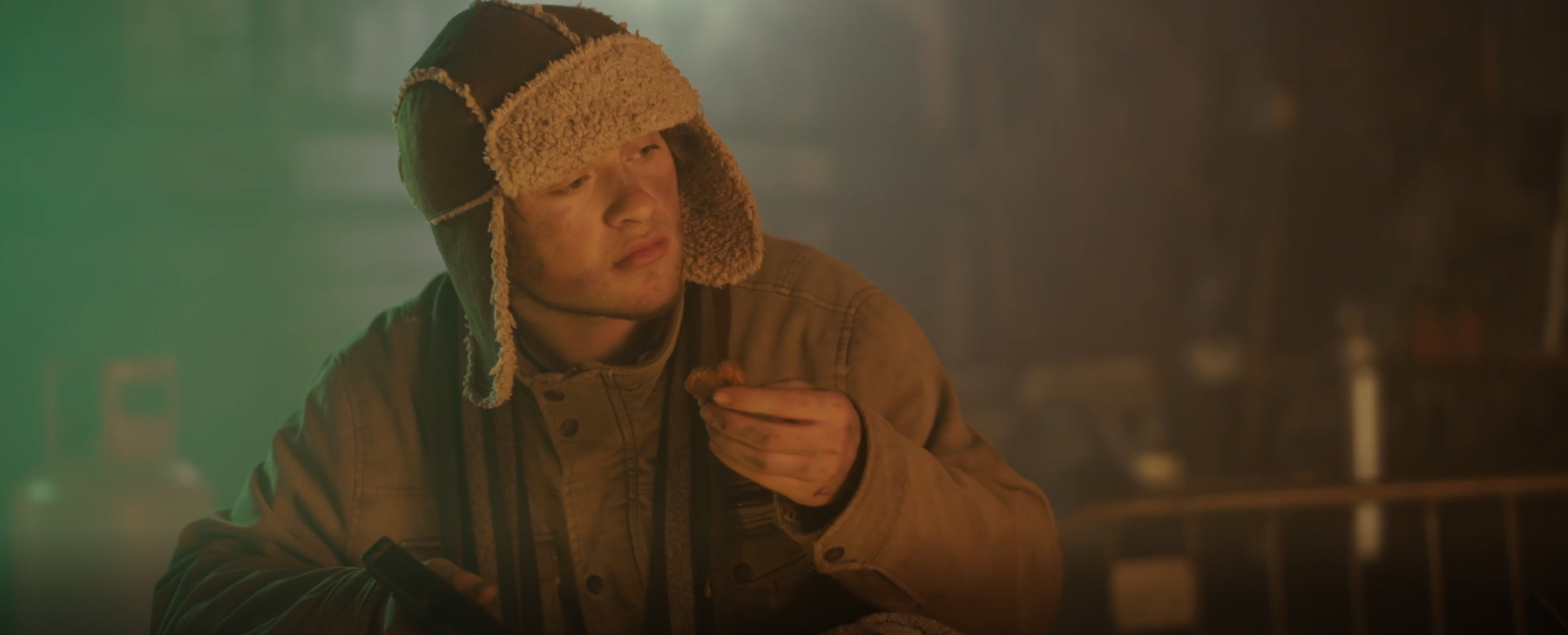
For the scene The Visit, we built and filmed a short sequence using a fully rendered 3D environment in Unreal Engine displayed on an LED wall. The camera’s position was tracked in space, allowing Unreal to render a perspective-correct background in real time. As the camera moved, the environment responded with accurate parallax, simulating depth and spatial realism behind the actors.
This process collapses the traditional production pipeline, where environments are added later in post-production, into a live, collaborative production process where cinematography, art direction, and digital worldbuilding happen simultaneously.
The project tested how virtual production tools could support faster iteration, stronger creative alignment between departments, and more believable interactions between performers and digital environments.
Through hands-on production, the bootcamp provided an opportunity to experiment with emerging workflows shaping the future of screen production.
Delivered as part of the MyWorld Virtual Production Skills Bootcamp at the University of Bristol.
Provided hands-on experience with Unreal Engine virtual environments, LED volume production, and camera tracking workflows.
Contributed to industry-facing training designed to prepare practitioners for the growing demand for virtual production skills in film and television.
Audience reach and institutional impact included:
Training participants working across film, media, and creative technology sectors.
Contribution to a regional skills initiative addressing workforce demand for virtual production expertise.
Demonstration of emerging workflows for real-time content creation.