Gunther von Hagens’ Body Worlds & the Brain - A Three-Pound Gem

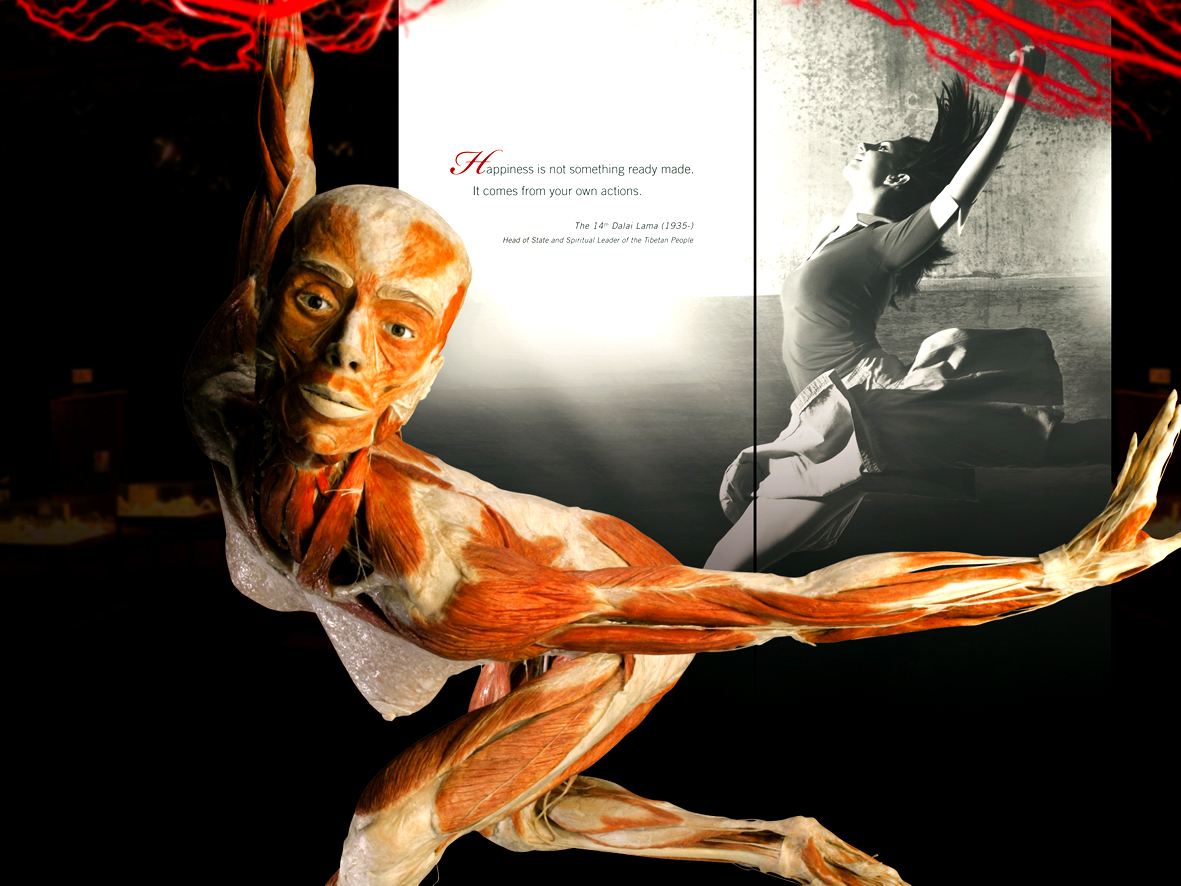
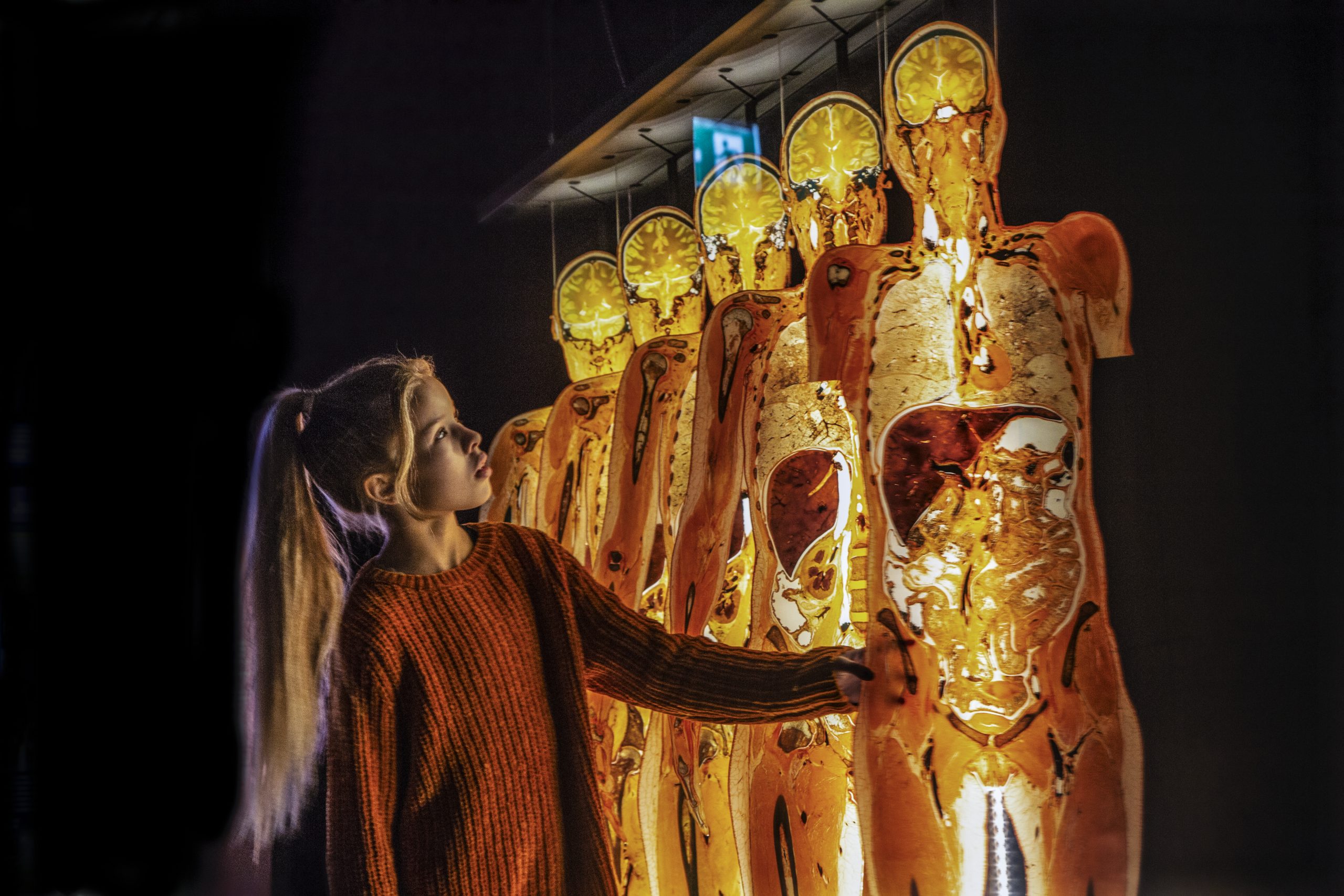
Body Worlds, created by Gunther von Hagens, was designed to change how the public understands the human body. The exhibition uses plastination, a process that replaces water and lipids in donated human tissue with polymers, preserving anatomical structures with remarkable clarity. 


By revealing the hidden systems that sustain life, the work invites audiences to confront complexity directly and consider how knowledge, when shared openly, can empower people to make more conscious choices about their bodies and their world.


Crucially, every specimen comes from a voluntary body donation programme created specifically for public education. This shifts the exhibit away from spectacle and toward informed consent, transparency, and respect for the donor’s intent.

#MuseumLightingDesign #ExhibitionLightingSystems #Interpretive Lighting #ObjectConservationLighting #ImmersiveLightingEnvironments #VisitorExperienceDesign #ArchitecturalAccentLighting #InteractiveLightingControl #ETC Lighting Control Systems

CREDITS

Curator of Body Worlds & Director of The Institute for Plastination DR. ANGELINA WHALLEY

Inventor of Plastionation and Creator of Body Worlds DR. GUNTHER VON HAGENS

Museum Exhibits Design, Natural History Museum MICHAEL FIELD

Exhibition Lighting CHRIS RYNNE

Exhibition Lighting SHAWNA CADENCE

Exhibition Lighting MICHAEL PAOLINI

PRESENTATION

Southern California Premiere Exhibition,
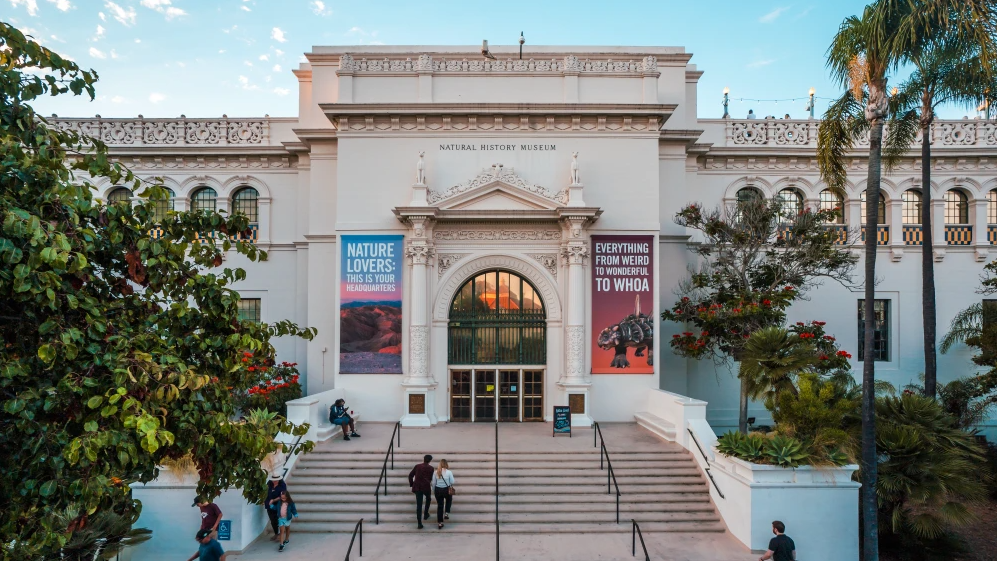
San Diego Natural History Museum

CATEGORY

Experience

Every physician, at one time or another is struck by the sheer elegance and intricacy of the human body. But, few laypersons get a chance to experience such wonder. This exhibit is a rare opportunity for the layperson to share in this privileged view of ourselves.

— Dr. Neil S. Wenger, MD. UCLA Medical Center

ABOUT

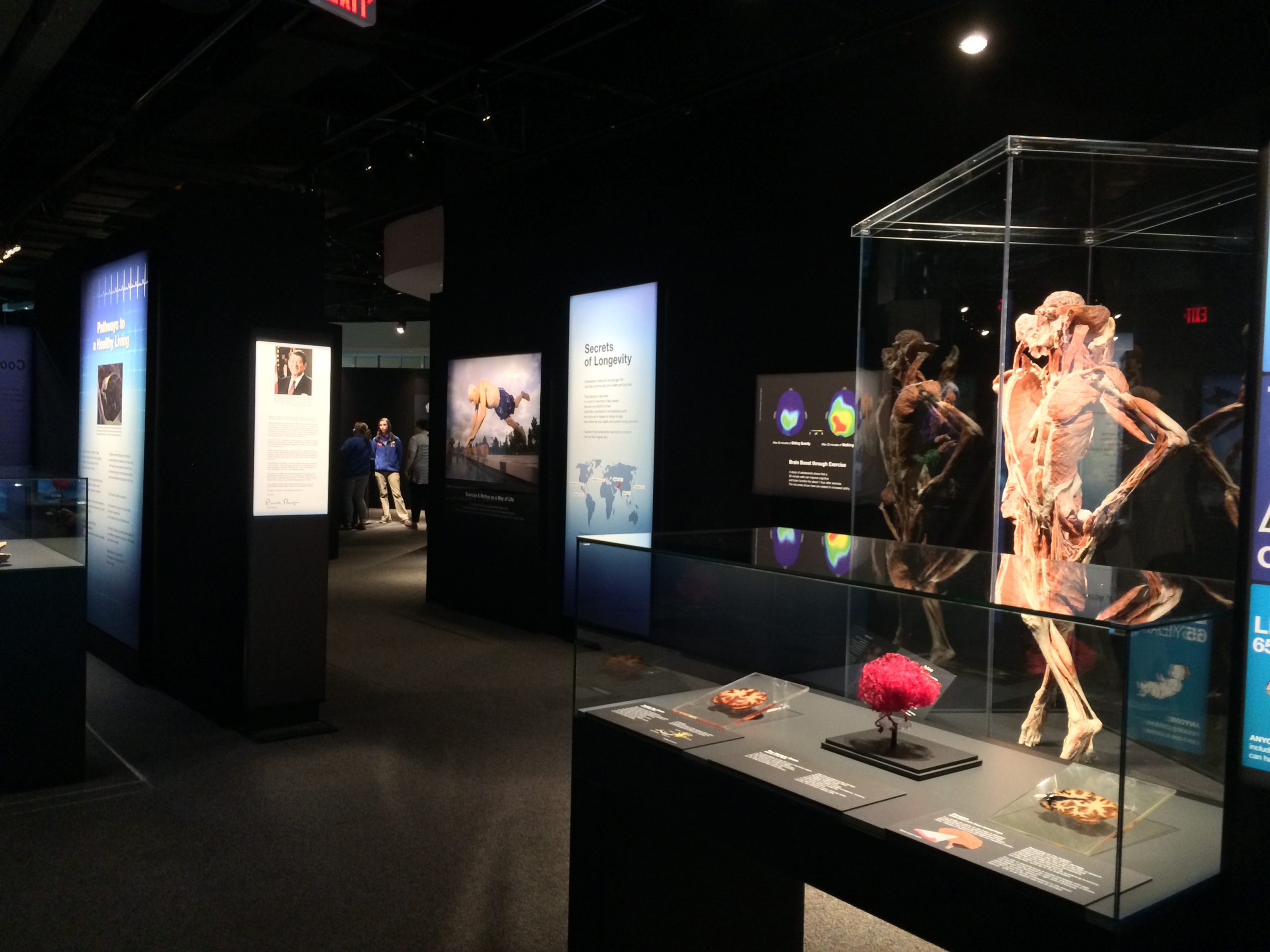
The exhibition hall was designed for small pinspot track lighting suited to conventional artefacts, not full human anatomical figures. The creative problem was how to light preserved human specimens in a way that maintained dignity, clarity, and educational focus. The goal was to avoid the visual language of horror or spectacle while still revealing the extraordinary structural detail of the body.


We designed and installed a modified exhibition lighting system using ETC Source Four fixtures mounted on custom brackets retrofitted through the existing ceiling tile grid. This allowed precise focus, beam shaping, and intensity control that the original track system could not provide.


The lighting approach treated each specimen as a sculptural object. Narrow beams and careful focus created a “jewel-like” presentation that emphasised form, musculature, and anatomical structure. Light levels were measured and balanced using a handheld light meter to maintain consistency across the gallery while protecting sensitive materials.


The challenge was working within an existing architectural system not designed for theatrical-grade fixtures. By adapting the infrastructure rather than rebuilding it, we achieved museum-level presentation quality while respecting practical constraints.


The lighting transformed the visitor experience. The specimens read as educational artefacts rather than unsettling objects, allowing audiences to engage with curiosity and respect while clearly seeing the complexity of the human body.

OUTCOME

At the San Diego Natural History Museum, BODY WORLDS & The Brain demonstrated how a technically demanding exhibition could be delivered within a public science museum context while supporting a respectful, educational visitor experience. The exhibition ran from 1 March to 4 October 2009, extending the reach of the BODY WORLDS programme into a major West Coast institution. The museum also integrated it into its education offer through dedicated teaching resources, showing adoption beyond a one-off commercial presentation.


More broadly, the project sat within a model that had already undergone rigorous external ethics review focused on informed donor consent, educational value, and respectful display. That review process was later presented as a benchmark for other museums handling human remains. For my portfolio, the outcome is clear: the methodology proved workable, the presentation framework was validated in a trusted museum setting, and it helped clarify a replicable approach for future science-led, ethically sensitive exhibition design.


What makes the exhibit so compelling – to have a meaningful and comprehensive view inside the real human body - is also what makes this exhibit most controversial. Without those very features, the exhibit would not be such a powerful educational experience.

— David C. Blake, Ph.D., JD Saint John’s Health Center

This exhibit gives the public an opportunity usually reserved for medical professionals. Viewers get a chance to look inside their own bodies and experience the wonder and respect for what it means to be human.

— Prof. Dr. Hans-Martin Sass Kennedy Institute of Ethics Georgetown University

Project Partners

  • • BodyWorlds • San Diego Natural History Museum • OCS Lighting + Control 
  • • BodyWorlds • San Diego Natural History Museum • OCS Lighting + Control 
  • • BodyWorlds • San Diego Natural History Museum • OCS Lighting + Control 
  • • BodyWorlds • San Diego Natural History Museum • OCS Lighting + Control 
  • • BodyWorlds • San Diego Natural History Museum • OCS Lighting + Control 
  • • BodyWorlds • San Diego Natural History Museum • OCS Lighting + Control 
  • • BodyWorlds • San Diego Natural History Museum • OCS Lighting + Control 
  • • BodyWorlds • San Diego Natural History Museum • OCS Lighting + Control