


Universal Credit

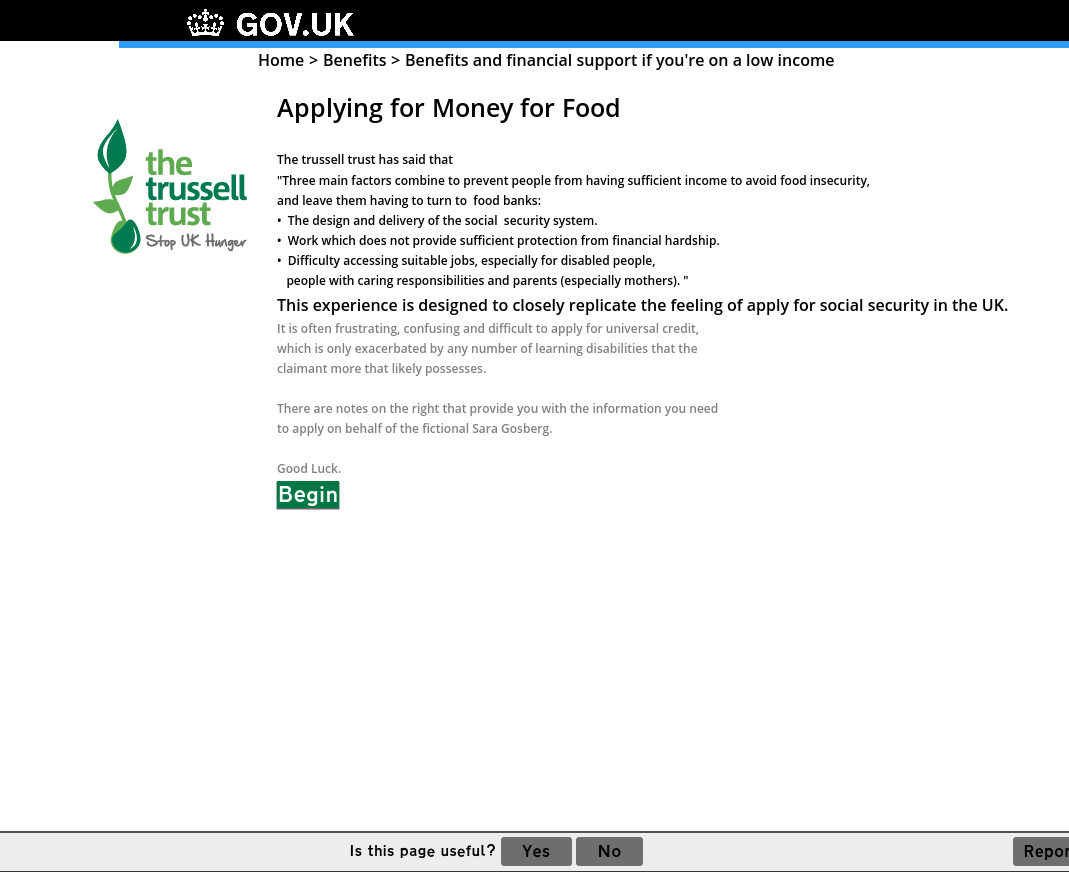
Universal Credit Game is a short narrative game exploring the hidden barriers within the UK social security system. Inspired by findings from the Hunger in the UK 2025 report, the game asks: what does it feel like to navigate systems designed to support you but structured to obstruct you? Through play, bureaucratic friction becomes visible.

#GameDesign #InteractiveNarrative #SystemsDesign #SeriousGames #GamesForChange #GodotEngine #RapidPrototyping #UXDesign #IterativeDesign #Creative-R&D #PracticeBasedResearch #DigitalCulturalInnovation #CivicEngagement #SocialImpactGames

CREDITS

Game Design BROOKE HEATHCOCK

PRESENTATION

Early Prototype

CATEGORY

Games

ABOUT

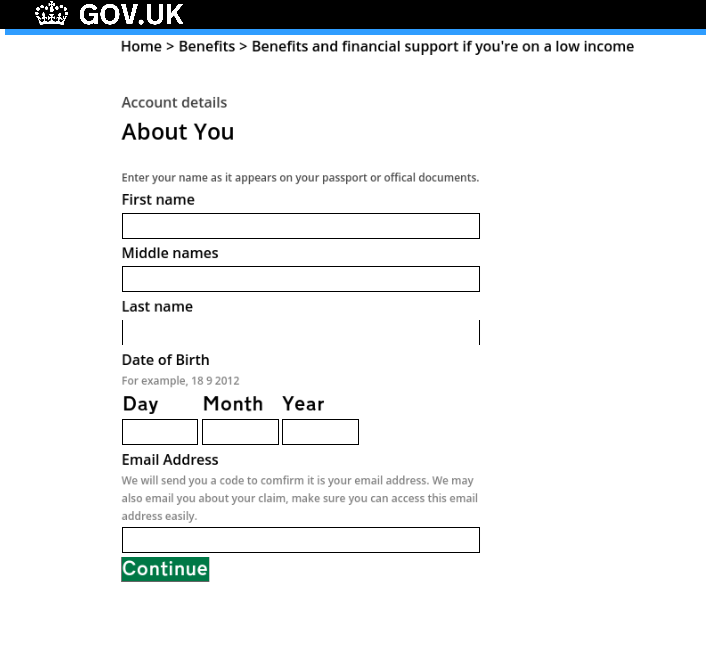
Universal Credit Game is a short 2D narrative game built in Godot that explores the emotional and bureaucratic realities of applying for social security in the UK. The project attempts to translate the often invisible experience of navigating welfare systems into something players can feel through interaction.


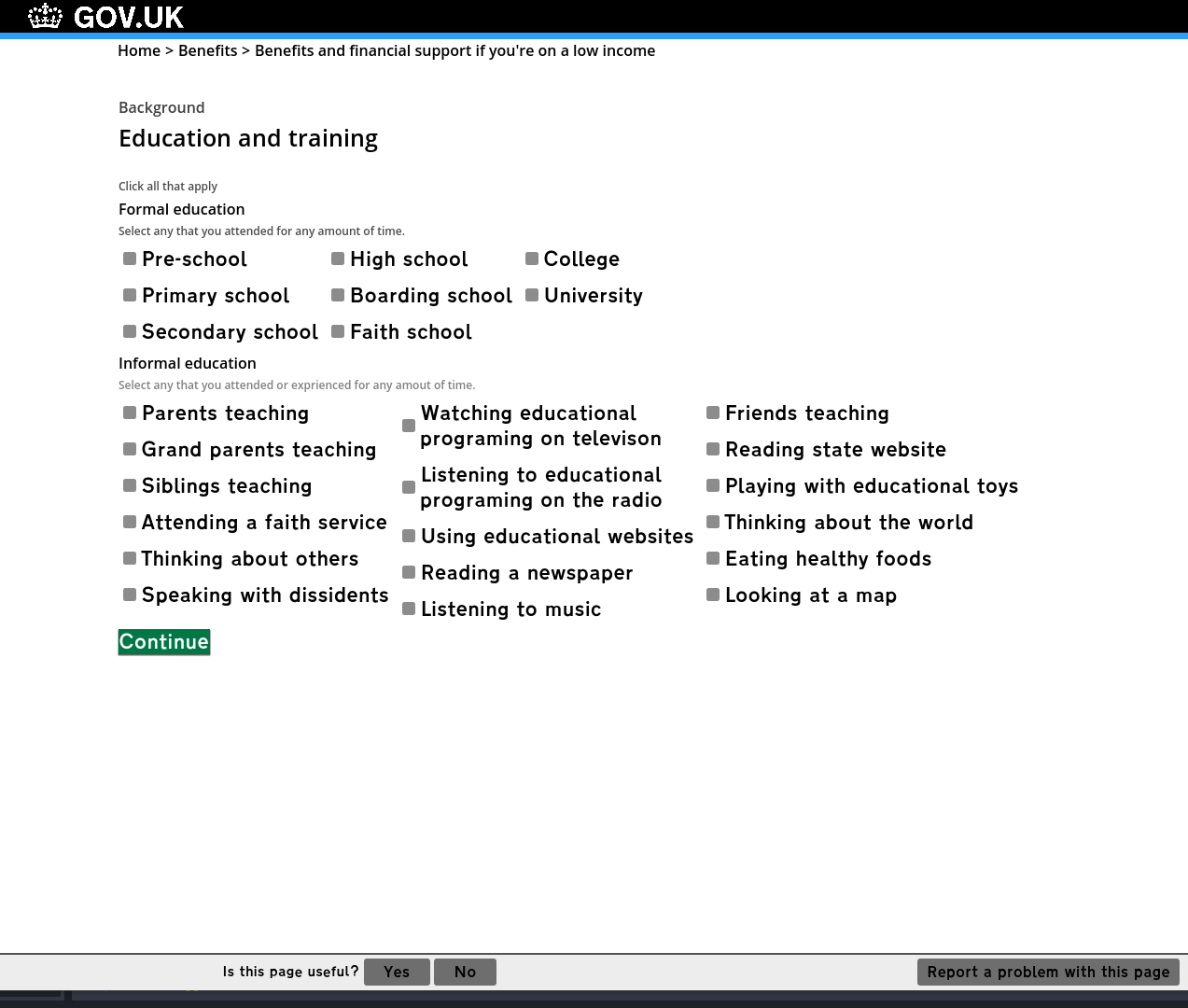
Players attempt to complete an application on behalf of a fictional claimant, Sara Gosberg, using fragmented notes and incomplete information to interpret what is required. As the game progresses, the hypocracy of the system becomes more overt, and the disconnect between the systems that are meant to support created by those in power without the same lived experience becomes clear. The design intentionally recreates forms of systemic friction commonly reported by claimants, including unclear instructions, repetitive processes, missing information, and uncertainty about whether actions are correct.


Particular attention was paid to the cognitive difficulty these systems can present for people with learning disabilities or limited digital literacy.


The core creative challenge was simulating bureaucratic frustration without making the game simply feel broken or unfair. Instead, confusion becomes a deliberate mechanic used to reveal how systems can unintentionally exclude the people who rely on them most. The project tests the hypothesis that interactive simulation can help audiences understand structural barriers in civic systems more effectively than explanation alone. Early playtesting suggests that players quickly recognise the emotional fatigue and anxiety produced by administrative complexity, creating opportunities for empathy and critical reflection through play.

OUTCOME

The Universal Credit Game prototype successfully demonstrated that bureaucratic systems can be meaningfully explored through short-form interactive experiences. Early playtests validated the core concept: players quickly understood the intentional friction embedded in the system and reported feelings of confusion, fatigue, and uncertainty that mirror real claimant experiences. This confirmed that procedural gameplay can communicate structural barriers more effectively than explanation alone.


The project refined our methodology for designing Games for Change prototypes, particularly around balancing frustration with clarity and maintaining player engagement while modelling systemic difficulty.


The prototype has begun informal circulation within our workshop and playtesting environments, supporting discussions around digital literacy, access to public services, and the lived experience of navigating administrative systems.


Next steps include expanding structured playtesting, documenting player responses, and exploring partnerships with educators, community organisations, and civic groups interested in using games as tools for public dialogue and critical engagement with social policy.