Solar Citadel

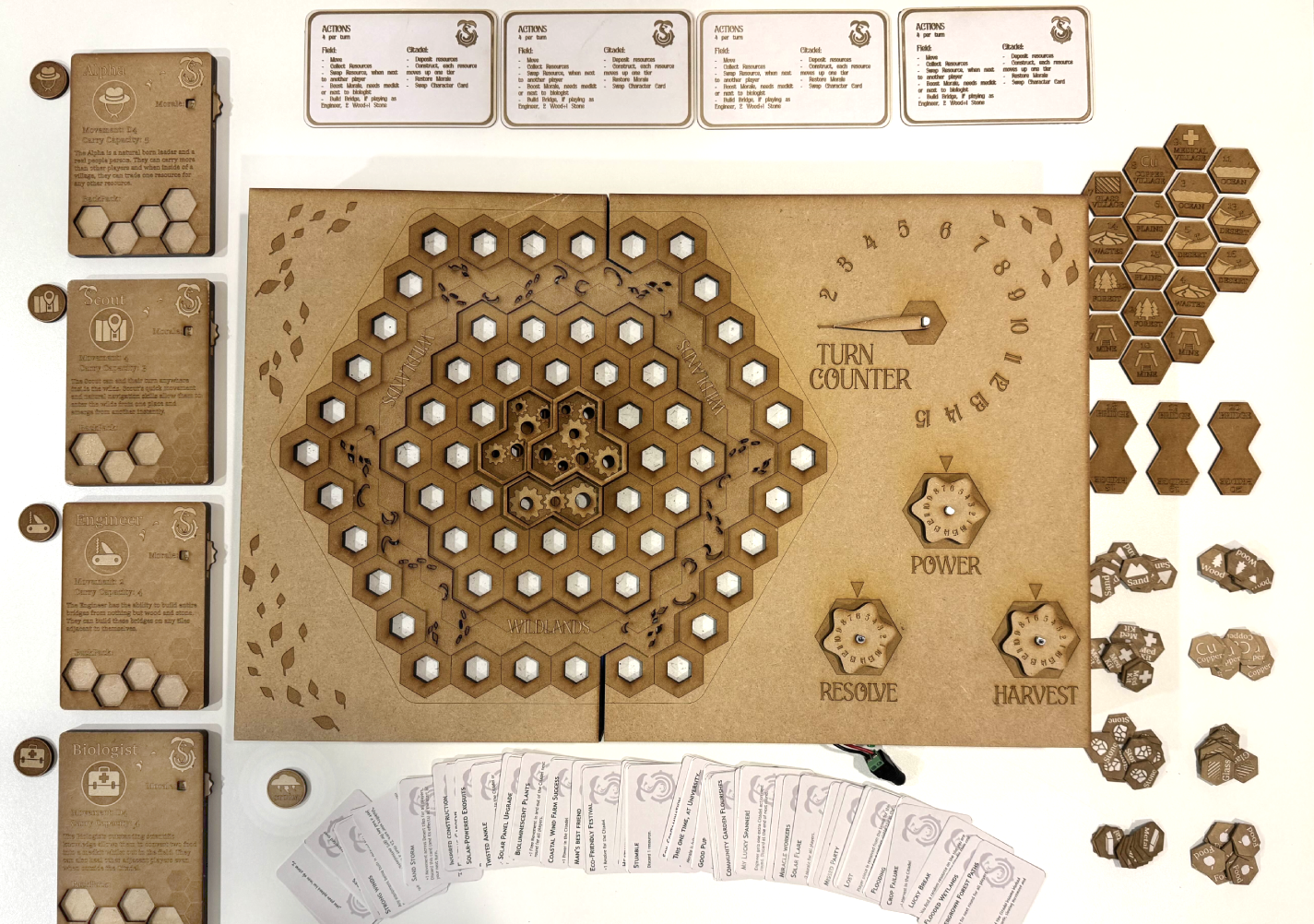
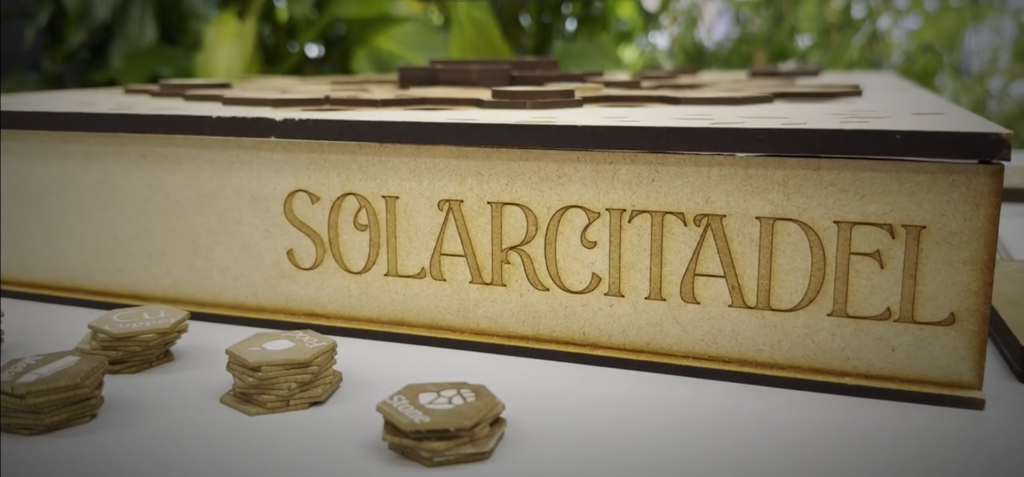
Solar Citadel is a prototype cooperative board game that uses solarpunk worldbuilding to explore sustainability, teamwork, and community resilience. Designed for 2 to 4 players, it asks how a physical game can make environmental systems legible through shared decision-making and hands-on interaction.


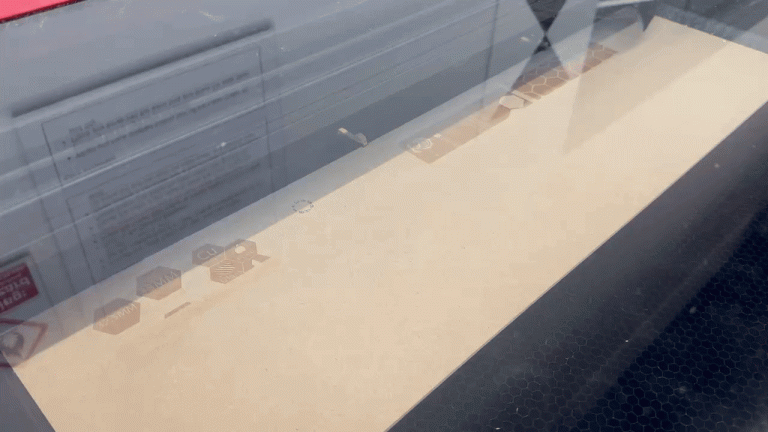
The project was developed in response to a wider cultural need for hopeful, participatory experiences that move beyond dystopian narratives and instead foreground agency, repair, and collective problem-solving. Through modular production methods, accessible material options, and optional electronic features, Solar Citadel demonstrates a flexible model for values-led game design that can support both playful engagement and wider conversations about ecological futures.

#GameDesign #SystemsDesign #CreativeTechnologist #PhysicalComputing #ArduinoProgramming #LaserCutFabrication #3DPrintedComponents #ElectronicsIntegration #InteractivePrototyping #RapidPrototyping #HybridPhysicalDigital #MakerInnovation #CooperativeGameDesign #SolarpunkDesign #ExperimentalPlay

CREDITS

Game Design, Technologist SHAWNA CADENCE

Game Design, 3D Artist JOANNA CLARKE

PRESENTATION

Print to Play Published Online

CATEGORY

Games

ABOUT

Solar Citadel is a cooperative solarpunk board game prototype about surviving an oncoming super-storm through shared strategy, sustainable building, and collective care. Developed over 10 weeks with Joanna Clarke, the project explored how tactile play, eco-conscious materials, and light-touch electronics could support a hopeful alternative to dystopian game worlds. 


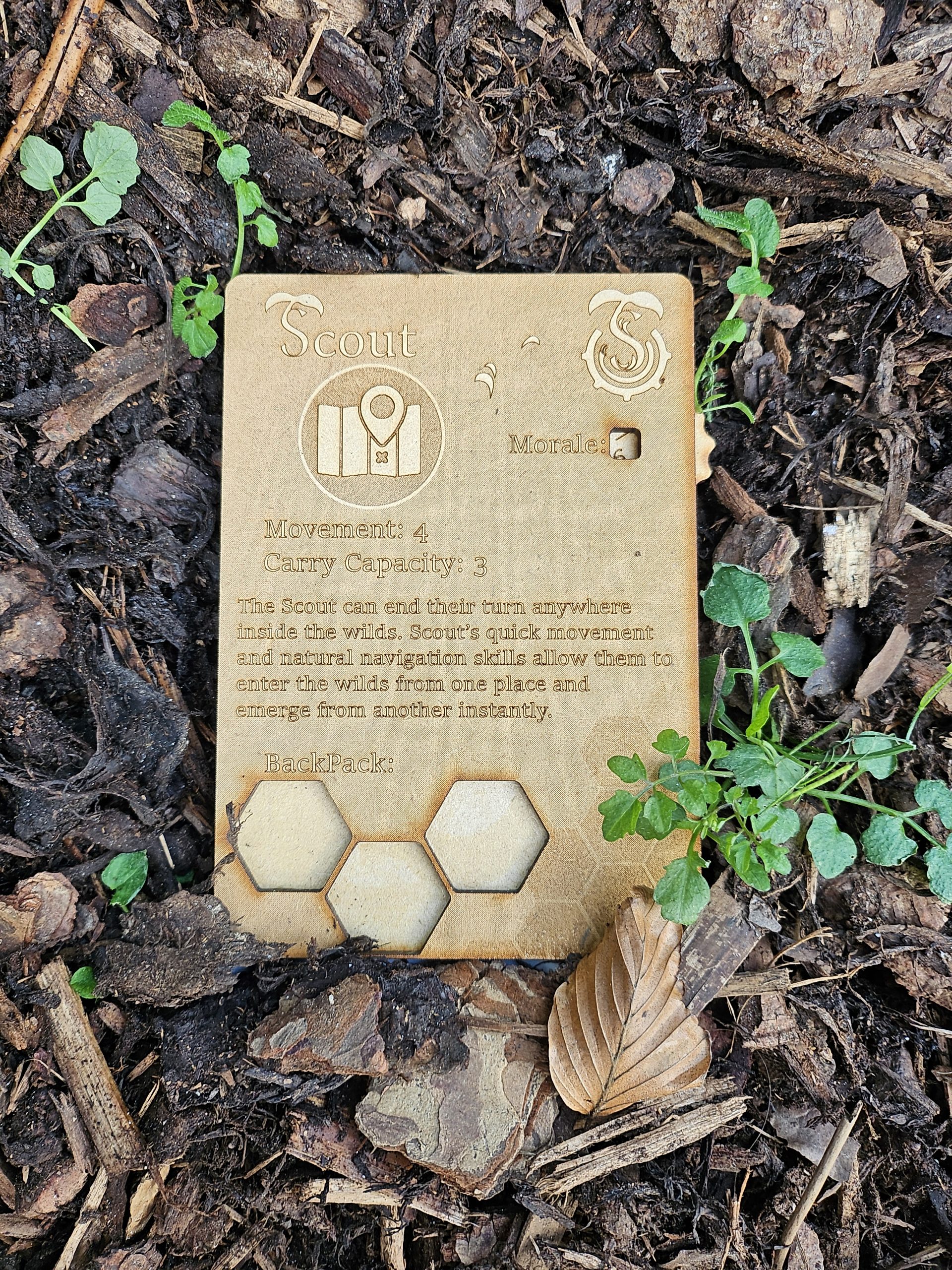
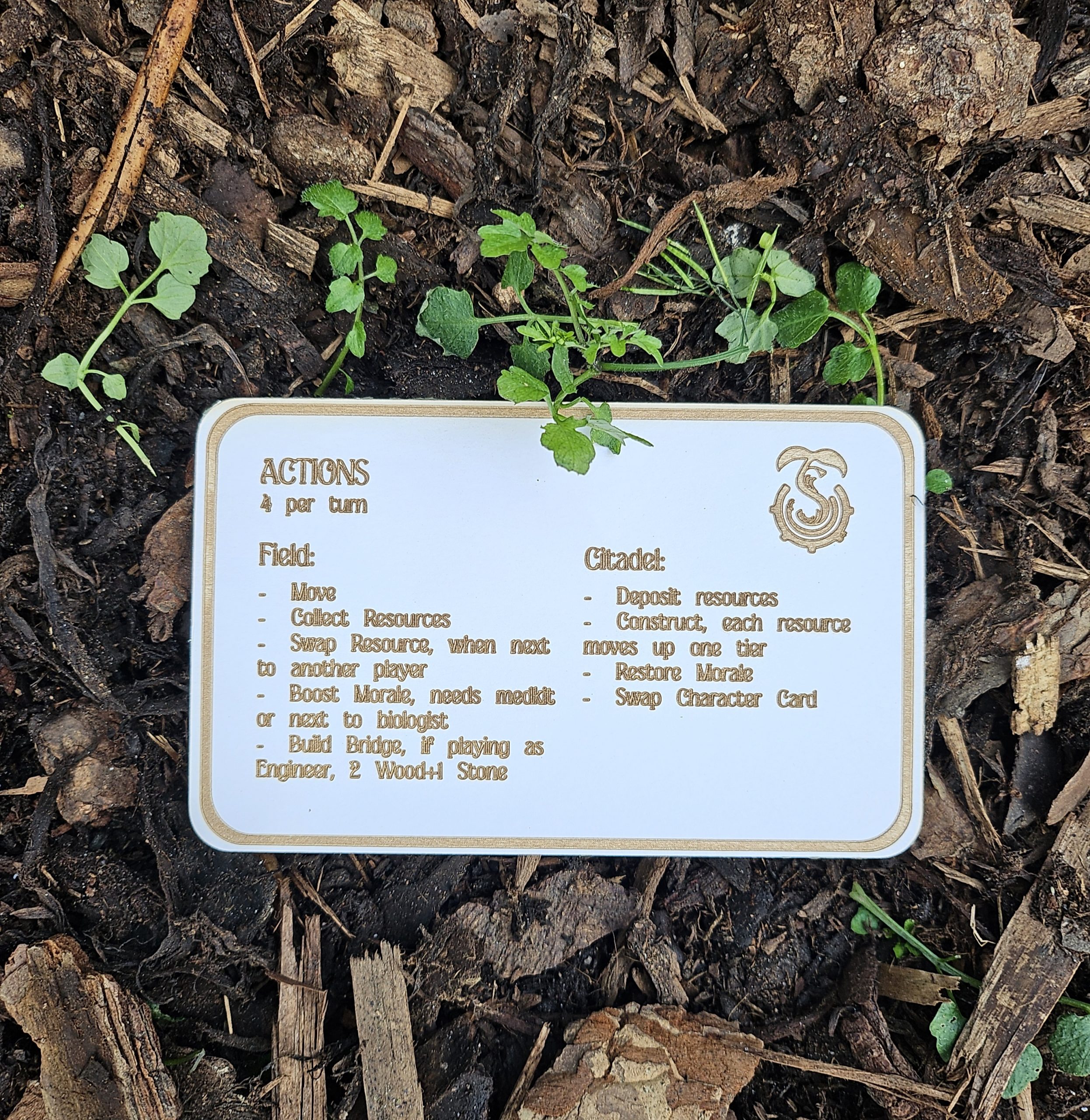
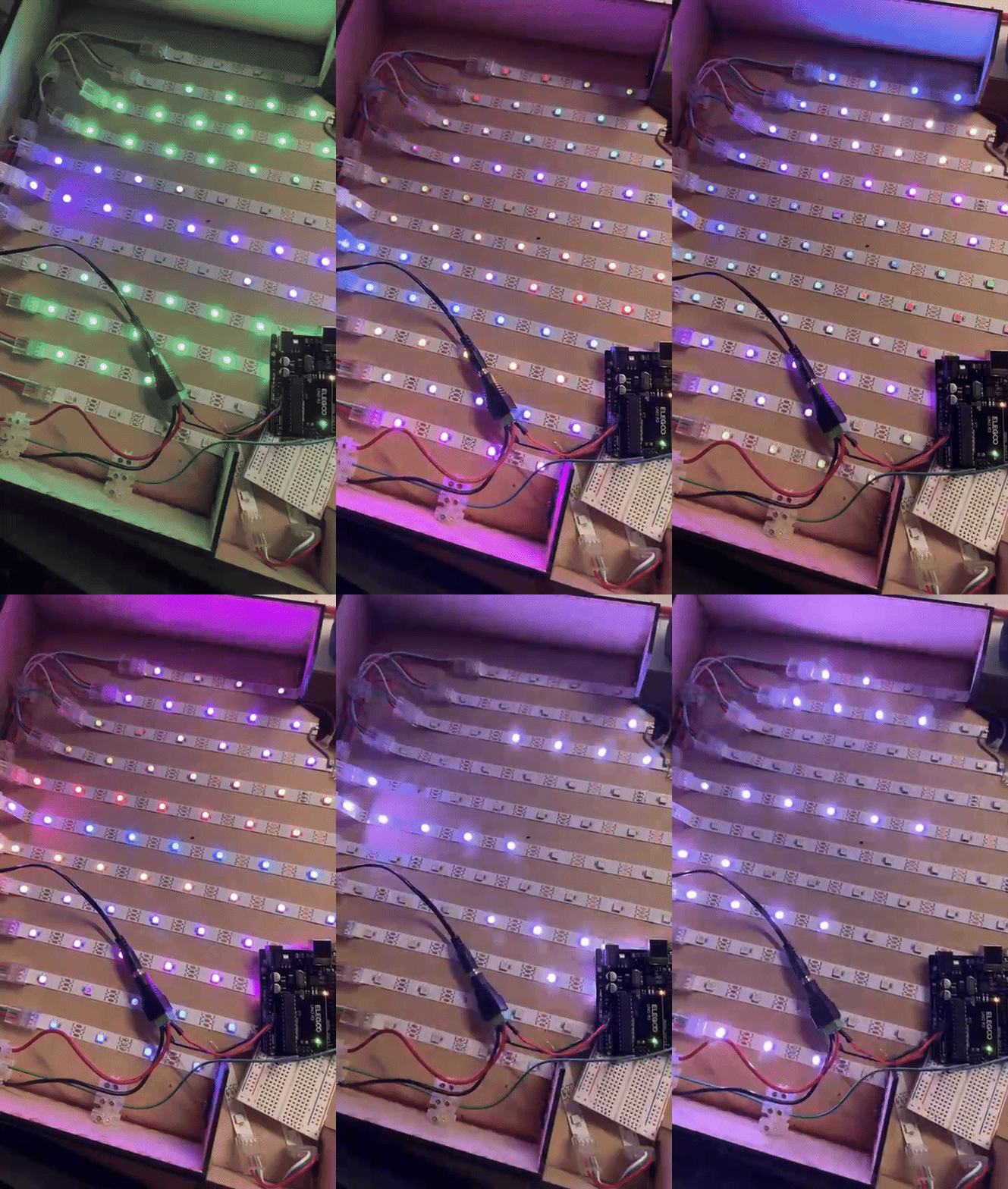
Shawna led creative direction, production, systems design, playtesting, and interactive tech integration, helping shape the game from early concept through to prototype, trailer, website, and press materials. The design combines hex-based exploration, resource management, event cards, and citadel fortification, with optional Arduino-powered LEDs and rotary encoders adding responsive feedback. A key challenge was balancing accessibility, immersion, and systems depth while keeping the game open, moddable, and achievable for different budgets and skill levels.

OUTCOME

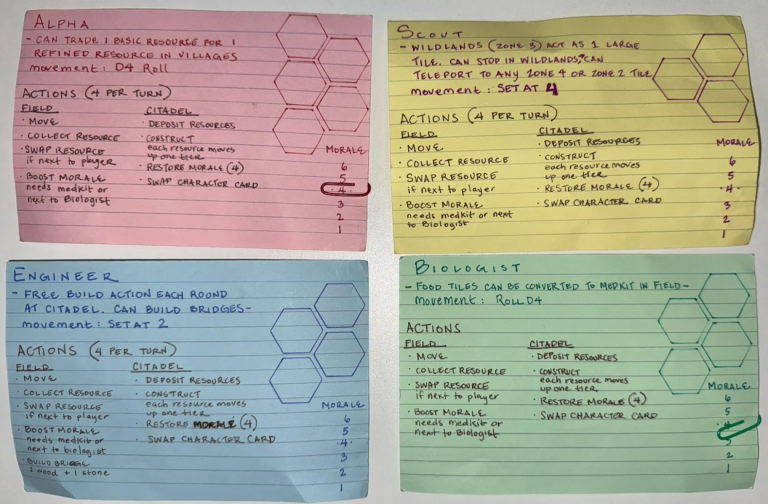
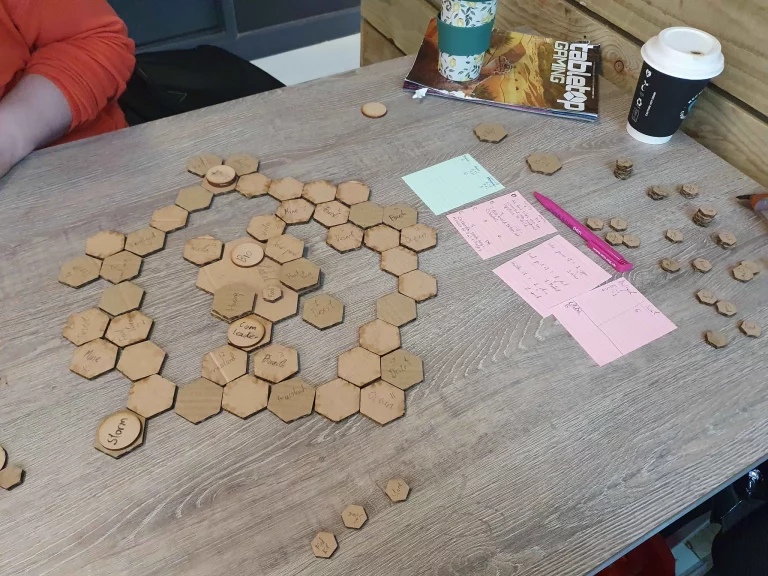
The project validated the core prototype and proved that a cooperative, values-led solarpunk game could feel both playful and mechanically robust. Playtesting refined pacing, role clarity, fortification systems, and tech responsiveness.


The methodology was strengthened through structured iteration, clear project management, and modular design thinking. It clarified next steps for deeper playtesting, rules balancing, and future expansion into open-source community development.
PITCH DECKS

DEV LOG

Project Partners

  • Joanna Clarke • University of Plymouth: Digital Fabrication and Immersive Media Laboratories (DFIML) • 
  • Joanna Clarke • University of Plymouth: Digital Fabrication and Immersive Media Laboratories (DFIML) • 
  • Joanna Clarke • University of Plymouth: Digital Fabrication and Immersive Media Laboratories (DFIML) • 
  • Joanna Clarke • University of Plymouth: Digital Fabrication and Immersive Media Laboratories (DFIML) • 
  • Joanna Clarke • University of Plymouth: Digital Fabrication and Immersive Media Laboratories (DFIML) • 
  • Joanna Clarke • University of Plymouth: Digital Fabrication and Immersive Media Laboratories (DFIML) • 
  • Joanna Clarke • University of Plymouth: Digital Fabrication and Immersive Media Laboratories (DFIML) • 
  • Joanna Clarke • University of Plymouth: Digital Fabrication and Immersive Media Laboratories (DFIML) •