Critical Play is an ongoing research and development project. The workshop series will ultimately include four tabletop games, each exploring a different aspect of digital literacy.
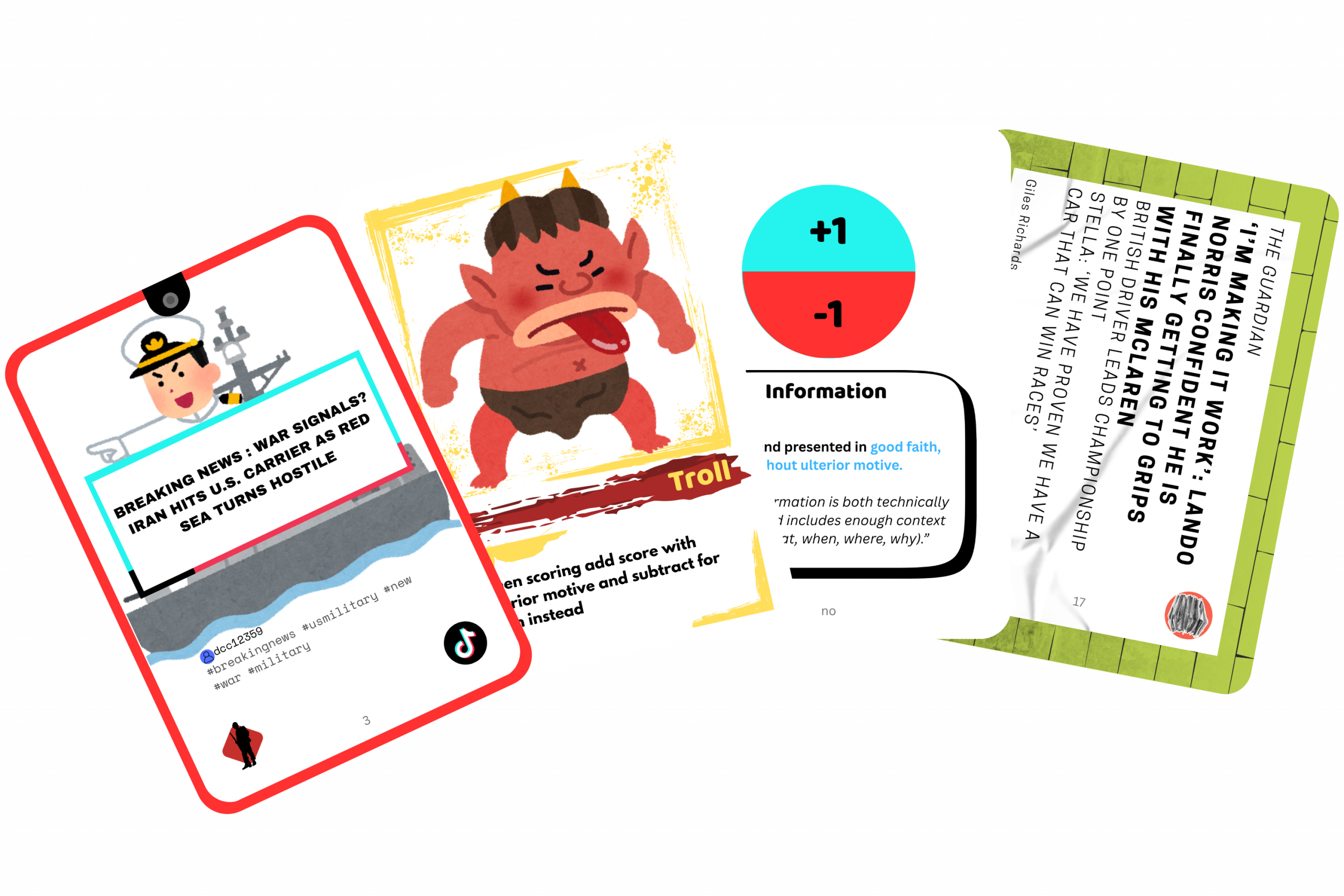
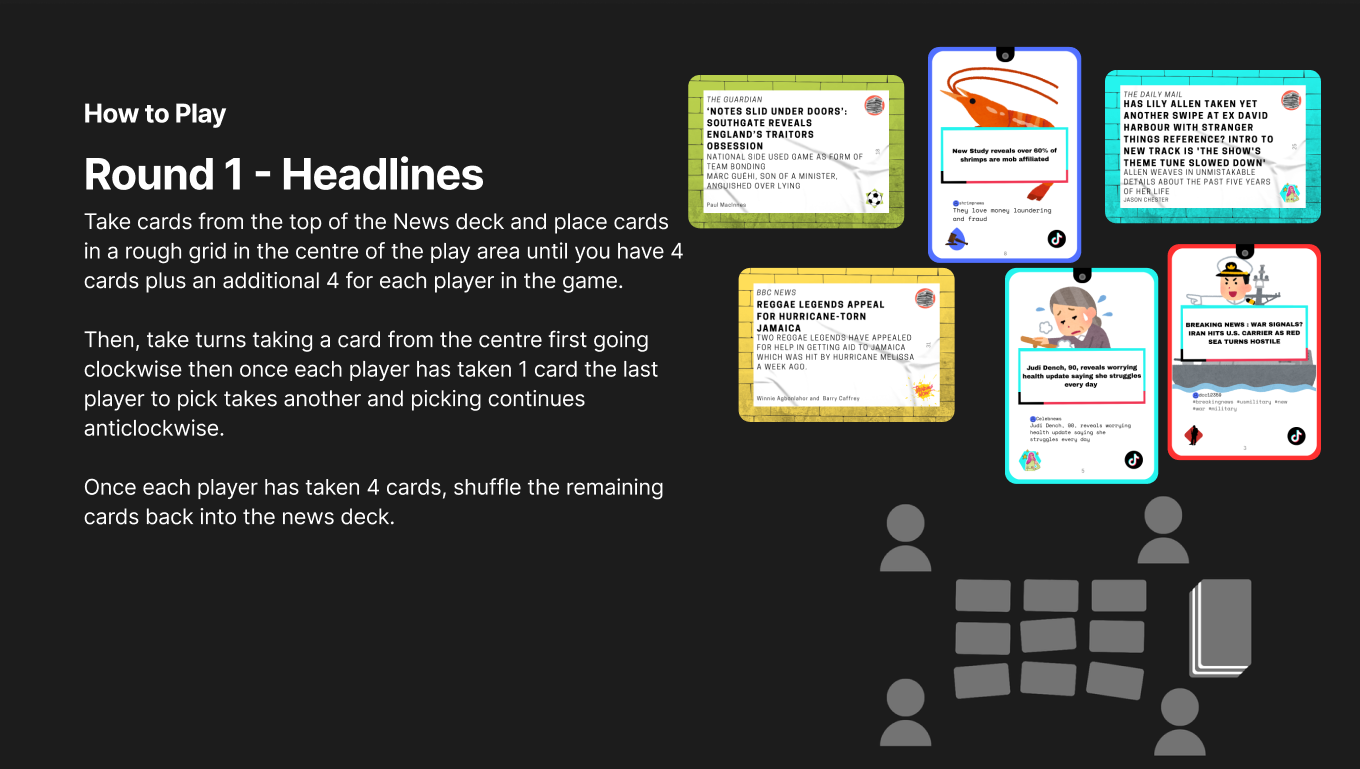
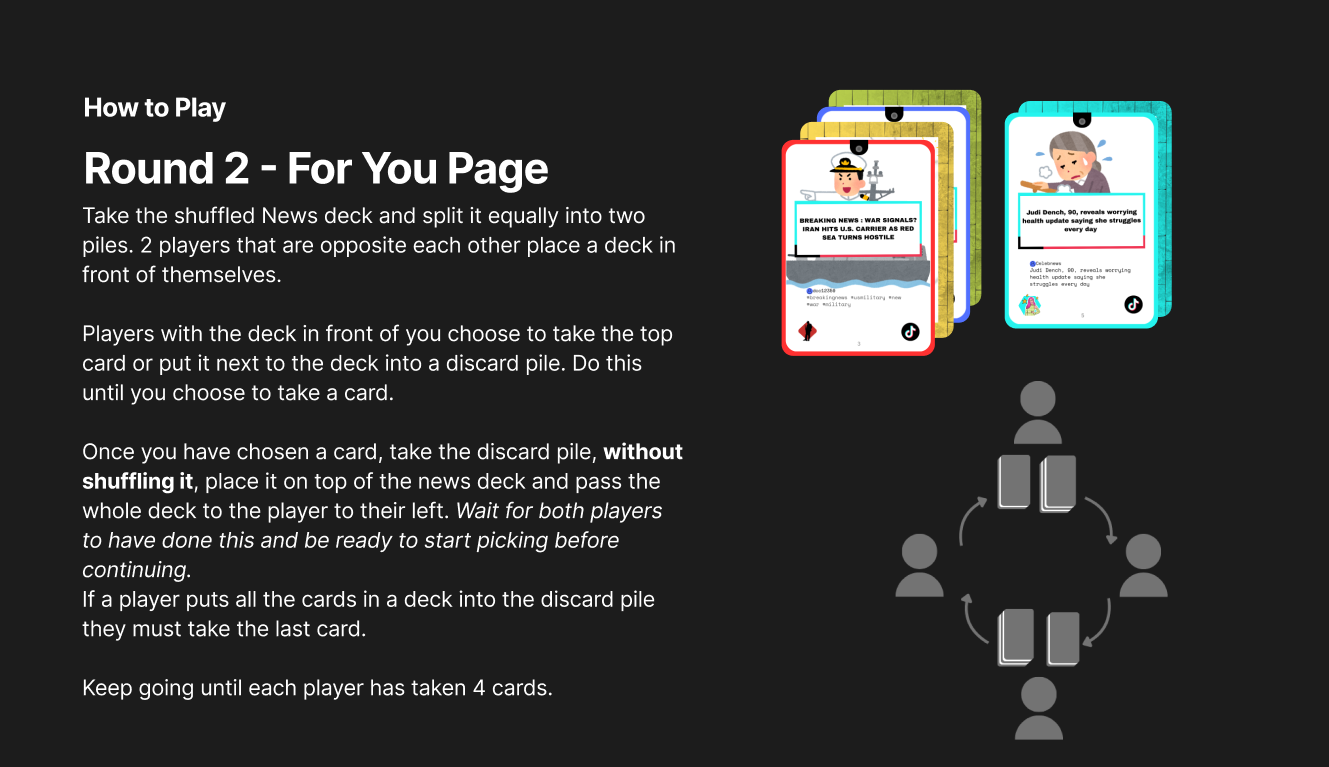
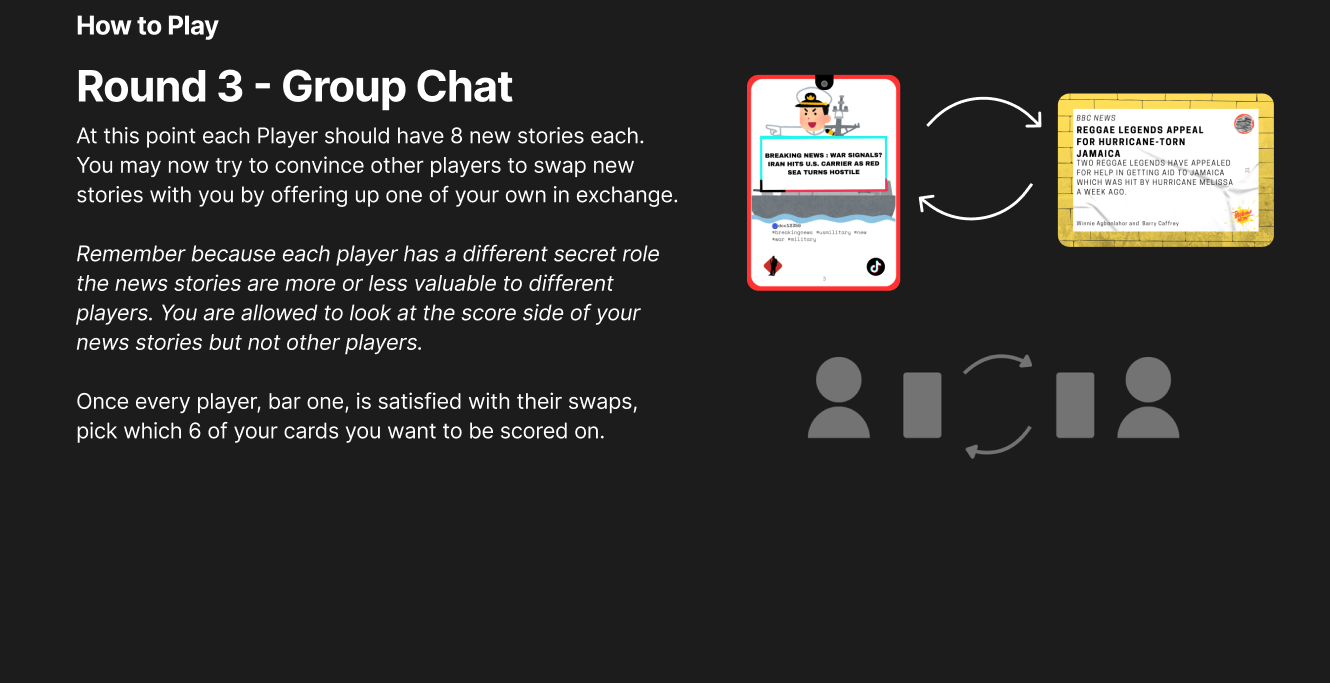
The first prototype, News to Me, is currently being tested through facilitated workshops.
Many digital literacy programmes rely on lectures, checklists, or fact-checking exercises that struggle to engage young audiences.
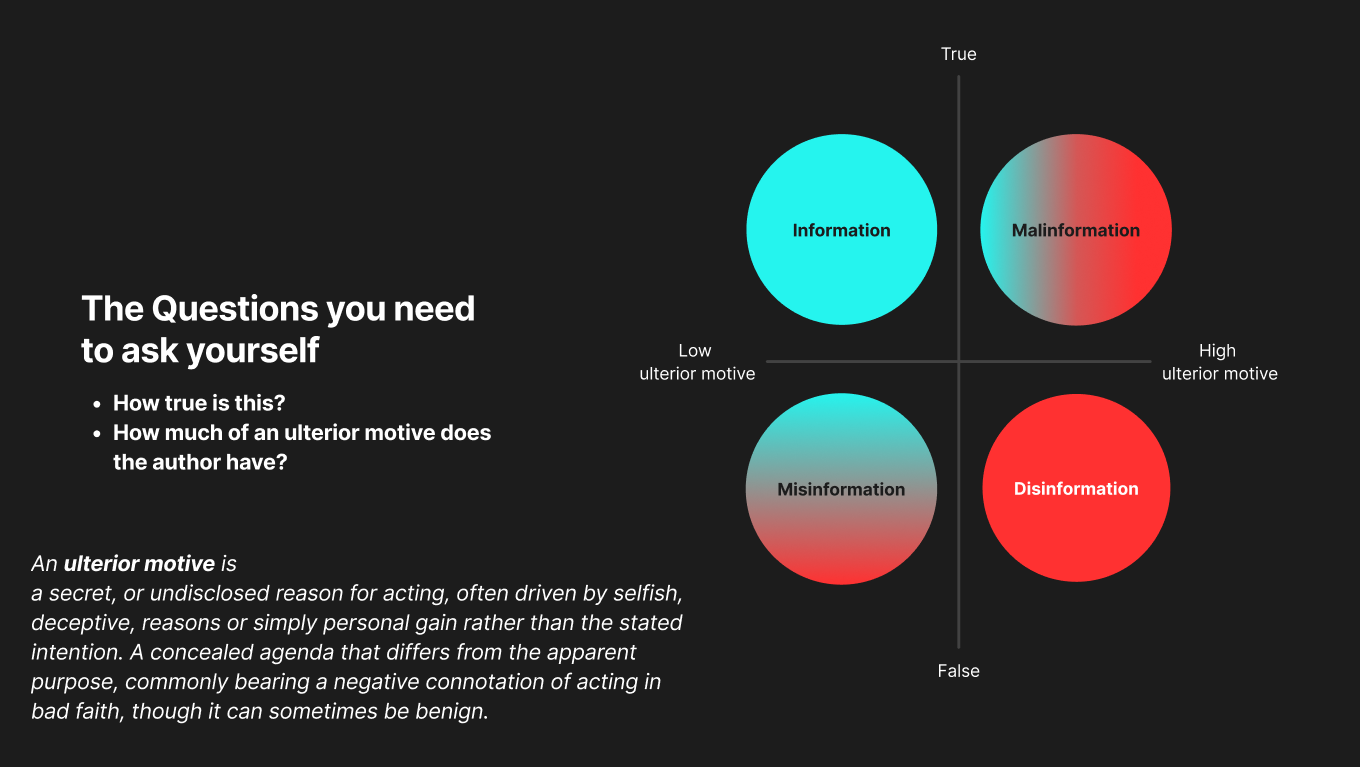
Critical Play explores whether gameplay can make invisible digital systems visible by helping participants understand how misinformation spreads, how persuasion works online, and how we as individuals can challenge it.
This project asks:
Can play help people understand digital deception more deeply than instruction alone?
We are designing a four-game workshop series that teaches digital literacy through structured play.
The games explore themes including:
• misinformation and source verification
• persuasion and emotional manipulation
• social media dynamics
• civic agency and collective responsibility
Participants play tabletop games and reflect on the strategies, biases, and behaviours that emerge during play.
Each workshop acts as both a learning experience and a live playtest environment.
Methods
The project uses play-based design and participatory testing with young people.
Key methods include:
• iterative tabletop prototyping
• workshop-based playtesting
• reflective discussion after gameplay
• rapid design iteration based on player behaviour
The design constraint is simple:
the games must remain accessible, fast to learn, and playable without technology.
This ensures the workshops can run in schools, libraries, and community spaces.
Final Outcomes Include:
• Prototype validated through workshop playtesting
• Core game mechanics refined through participant feedback
• Play-based learning methodology strengthened
• Next iteration of the Critical Play series defined