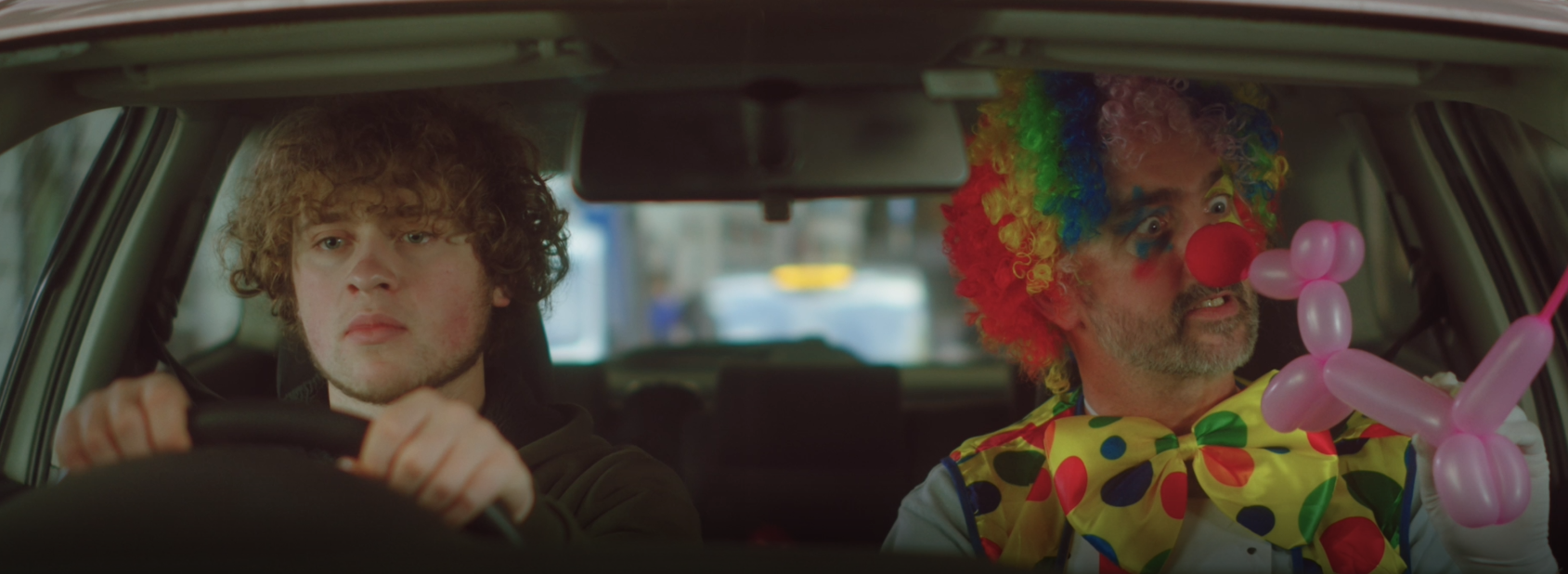
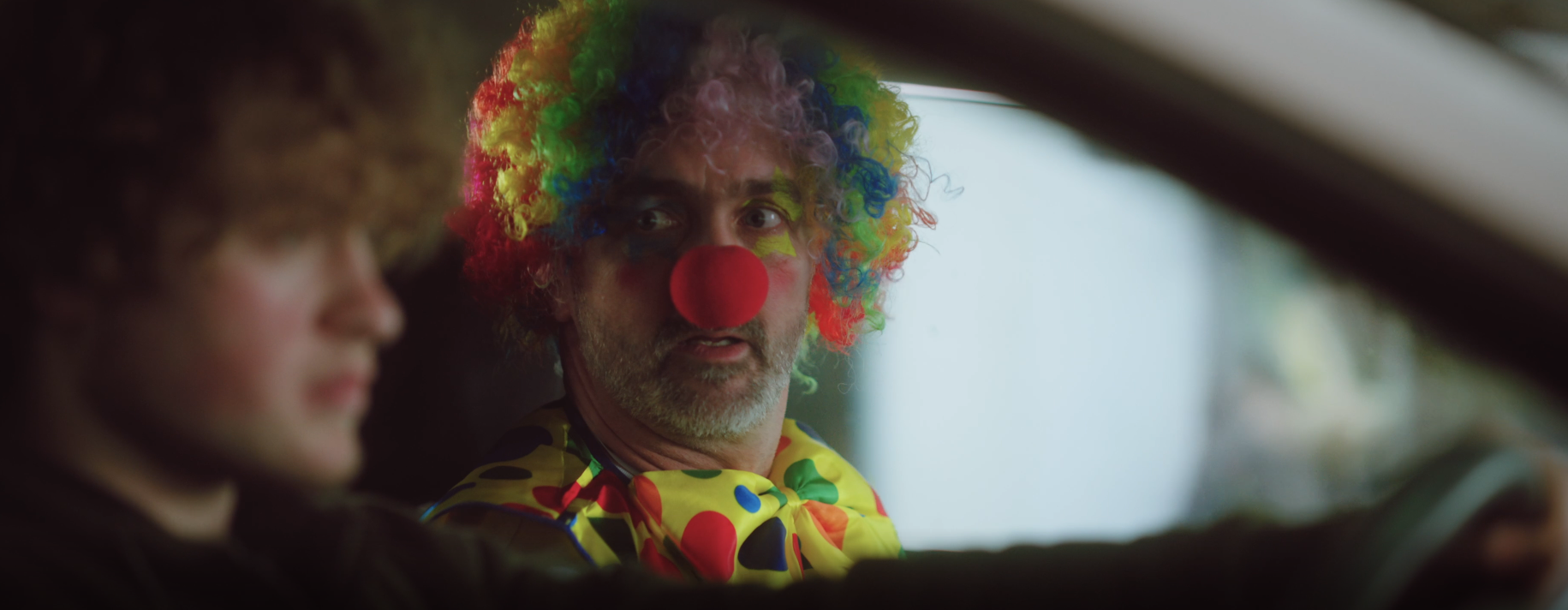
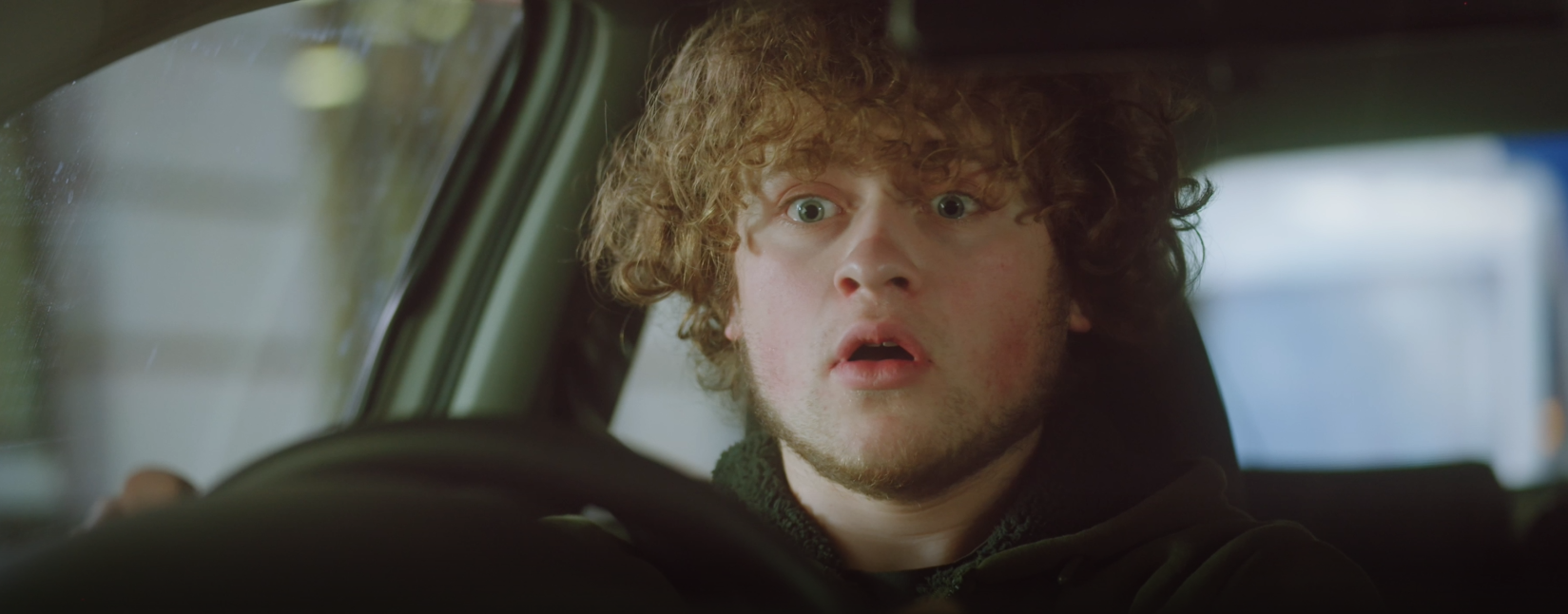
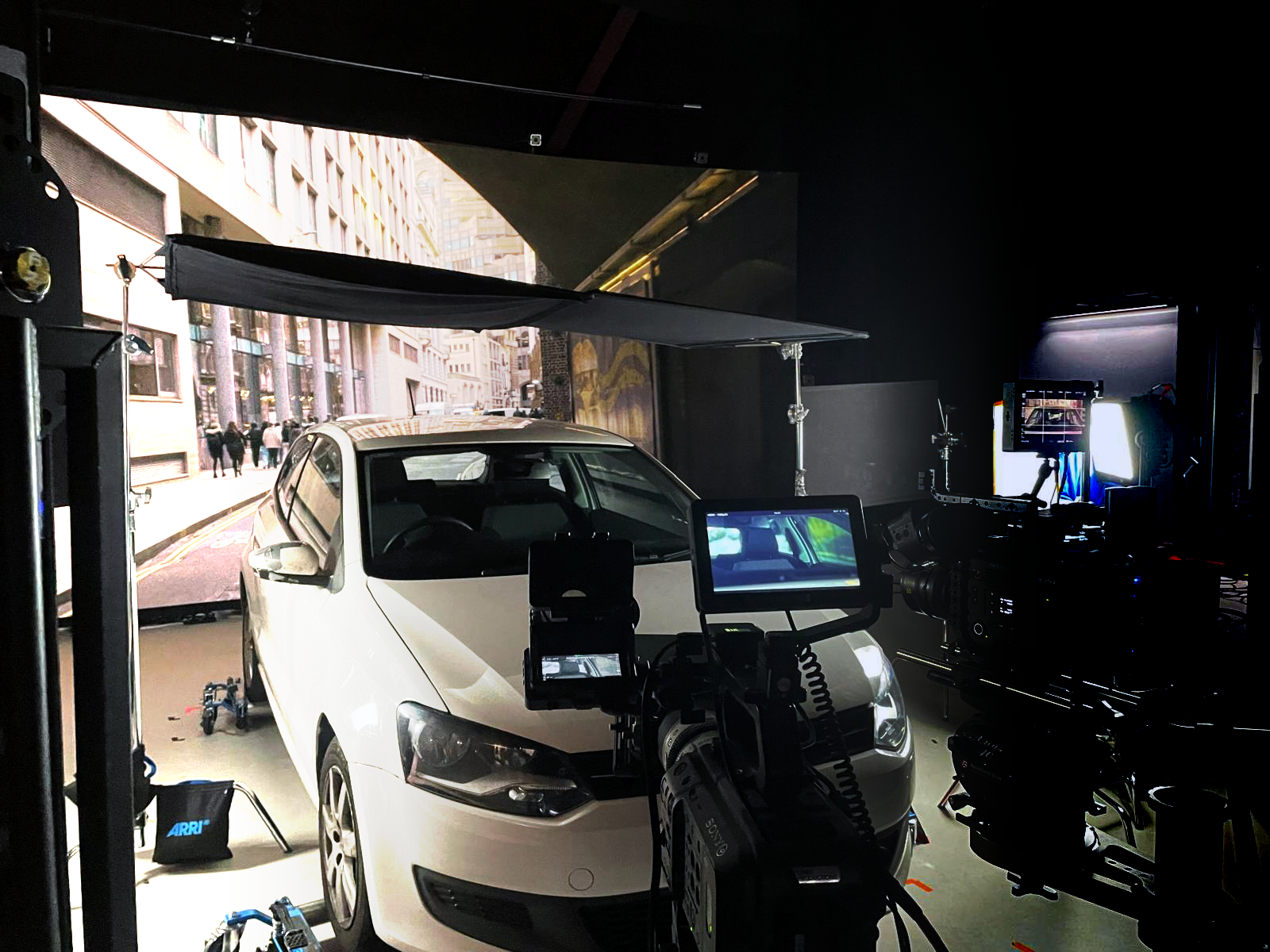
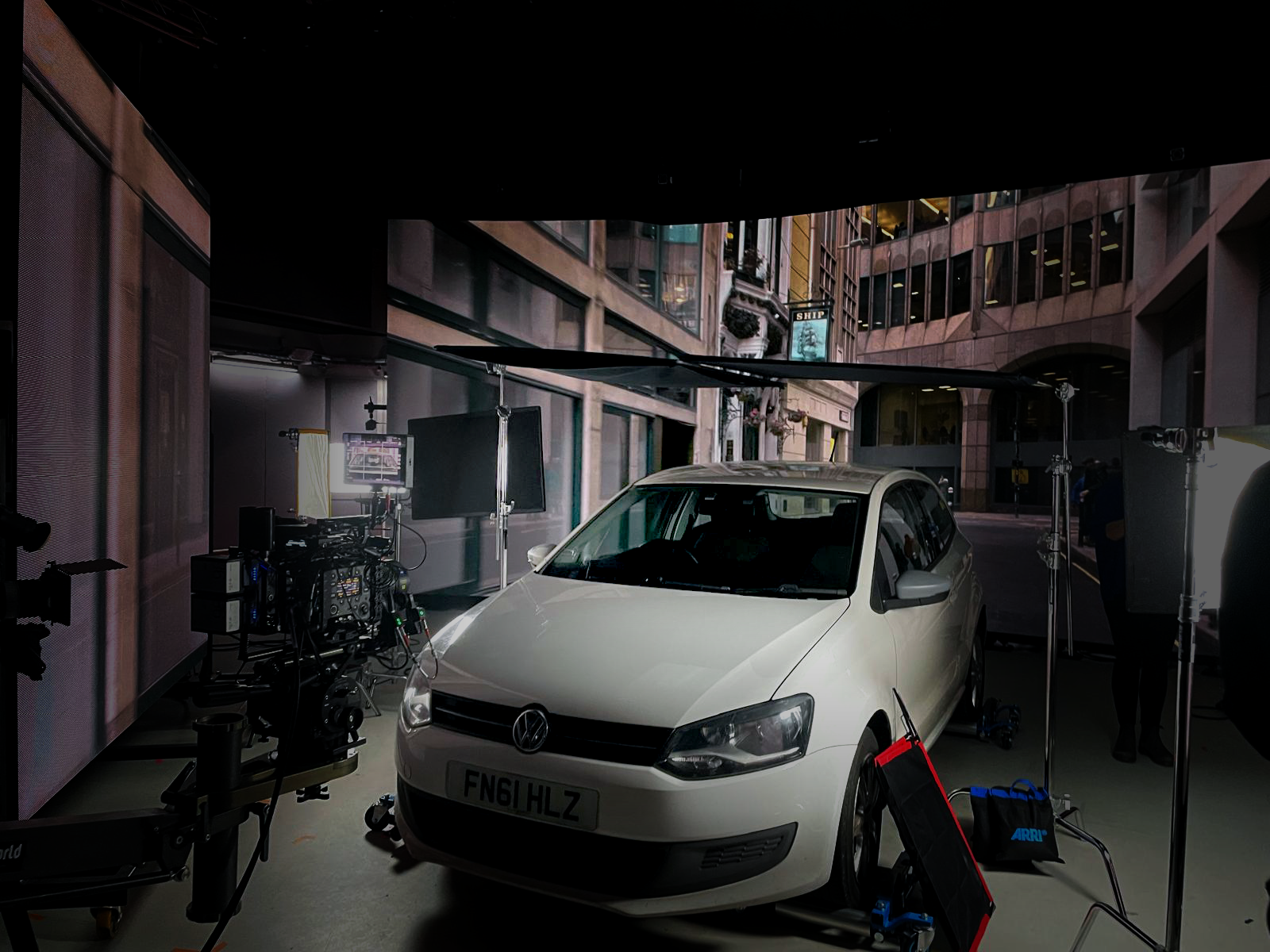
The creative challenge was to understand how traditional film techniques can be adapted to virtual production workflows. Instead of relying on green screen compositing, the scene used a large 9×10 metre LED volume displaying 180-degree driving footage. A physical car was positioned on the studio floor in front of the LED wall, allowing the camera to capture reflections, lighting, and motion cues directly during filming.This approach creates a convincing illusion of movement through the camera lens while the vehicle itself remains stationary. The LED wall acts as a dynamic backdrop, providing natural lighting and reflections on the car’s surfaces that would otherwise need to be recreated in post-production.
Unlike the 3D workflow used in other virtual production setups, this project relied on 2D plate playback rather than real-time environment rendering. The scene tested how effectively high-resolution video footage can create believable motion and spatial context when paired with physical set elements and controlled cinematography.
By capturing the scene in-camera rather than compositing later, the workflow demonstrated how LED volumes can streamline production while preserving realistic lighting and environmental interaction.