


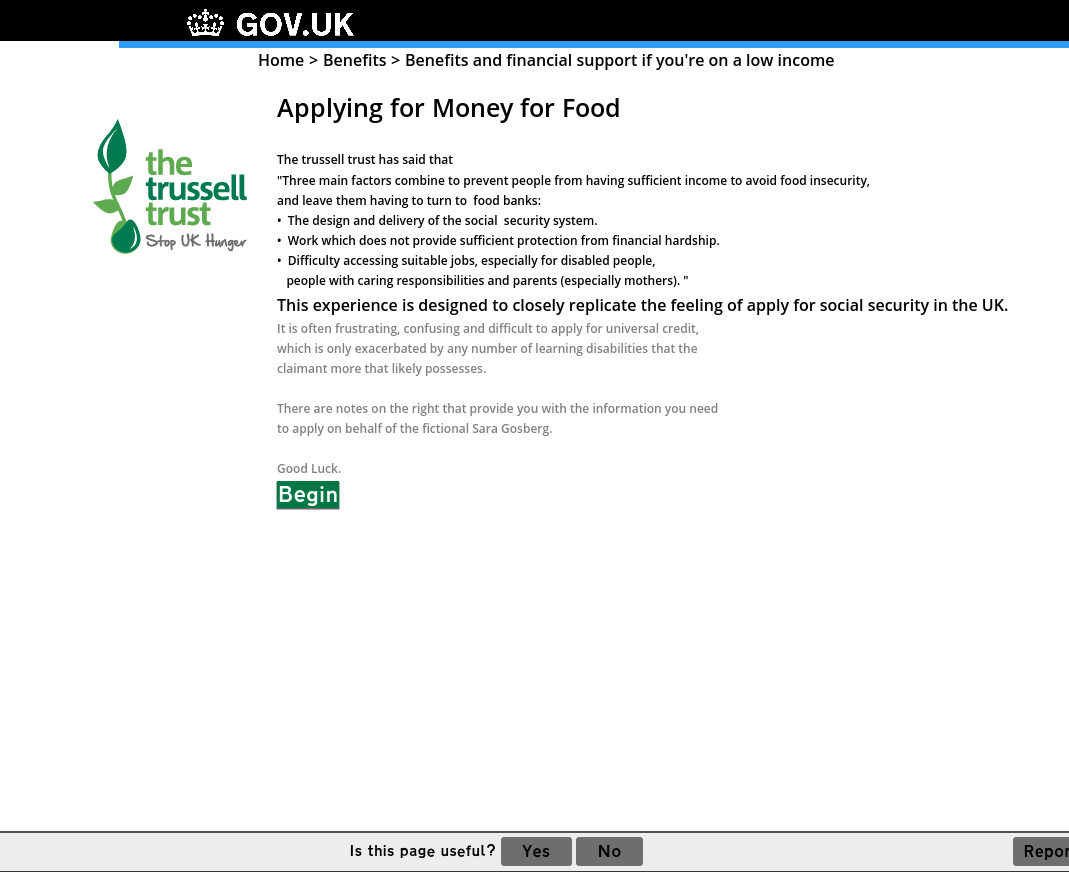
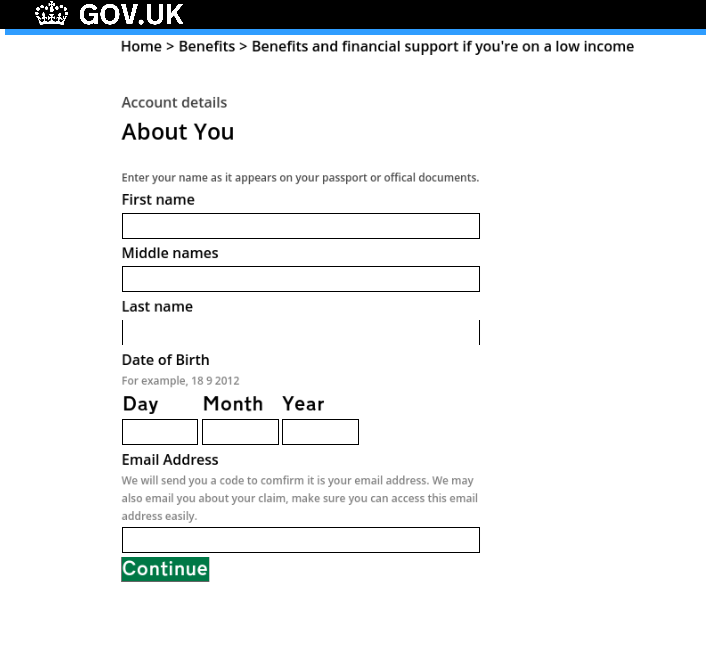
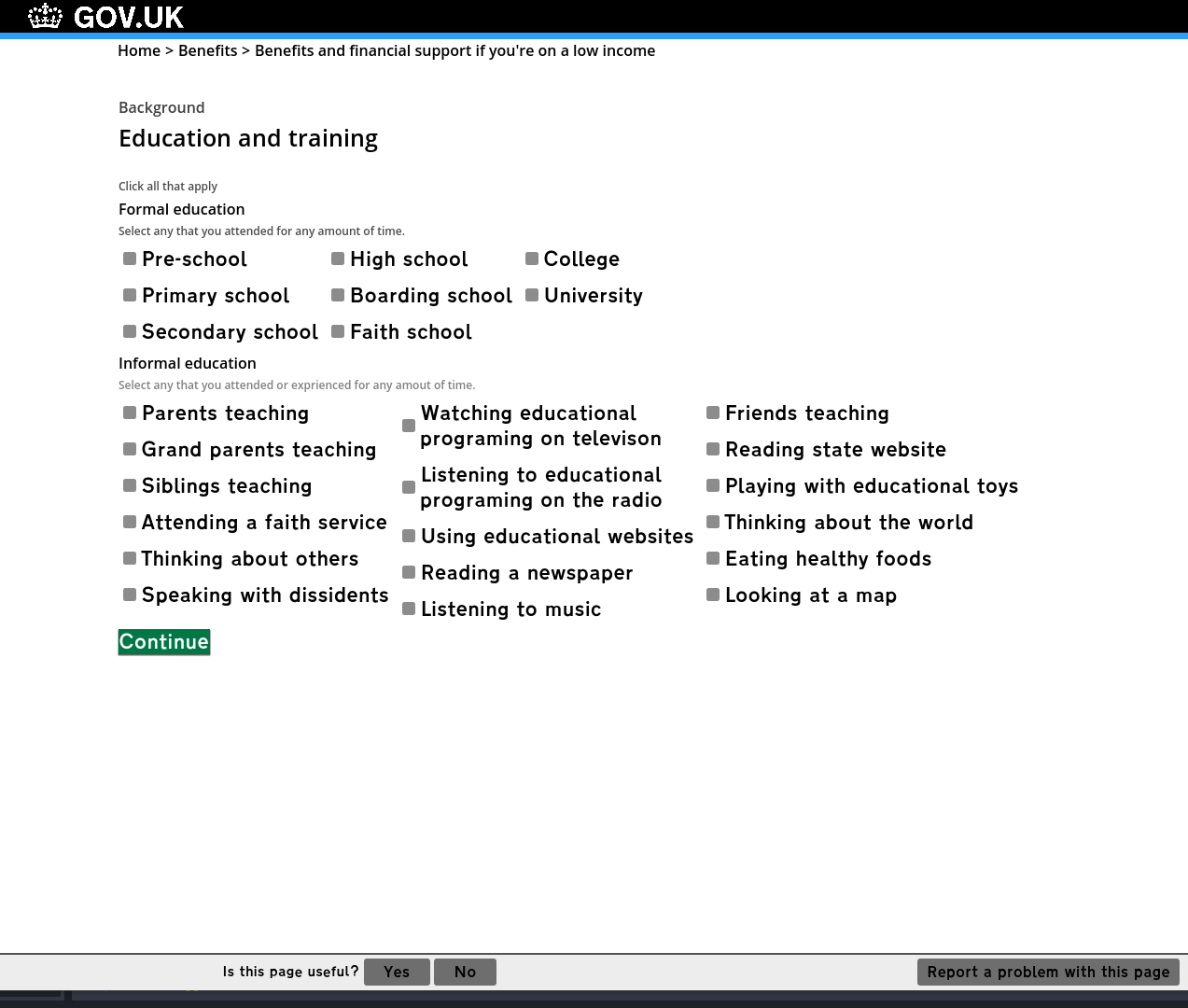
The Universal Credit Game prototype successfully demonstrated that bureaucratic systems can be meaningfully explored through short-form interactive experiences. Early playtests validated the core concept: players quickly understood the intentional friction embedded in the system and reported feelings of confusion, fatigue, and uncertainty that mirror real claimant experiences. This confirmed that procedural gameplay can communicate structural barriers more effectively than explanation alone.
The project refined our methodology for designing Games for Change prototypes, particularly around balancing frustration with clarity and maintaining player engagement while modelling systemic difficulty.
The prototype has begun informal circulation within our workshop and playtesting environments, supporting discussions around digital literacy, access to public services, and the lived experience of navigating administrative systems.
Next steps include expanding structured playtesting, documenting player responses, and exploring partnerships with educators, community organisations, and civic groups interested in using games as tools for public dialogue and critical engagement with social policy.